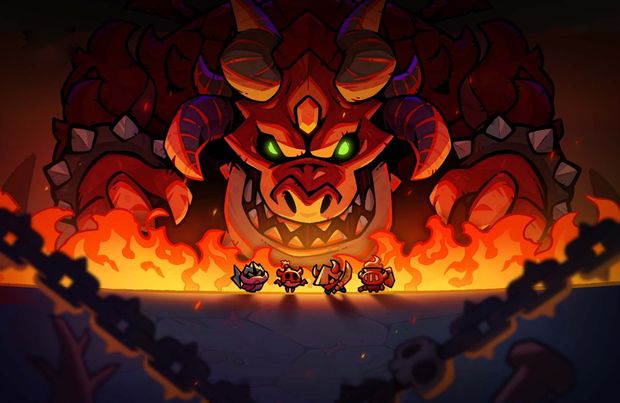
〈Hellsquad Rrrush!〉 is a roguelike defense game where you summon unique demons to defend the walls of Hell. First released in July 2025, the game recently joined WEMIX PLAY as a Web3 version featuring blockchain functionality. Players can now exchange and trade in-game assets outside the game as well.
In this game’s “Hexstone Mine Wars” mode, you collect HELLSHARD. The HELLSHARD you collect can be used within the game, but exchanging them for HELLSTONE gives you more options. You can exchange them for blockchain tokens on WEMIX PLAY or sell them to other users.
So, what is needed to integrate blockchain into existing Web2 games, and how do actual transactions work?
We take a closer look at the technology and design that allow 〈Hellsquad Rrrush!〉's in-game currency to be exchanged and traded outside the game.
Release Date: September 2026 | Production: LIGHTCON | Distribution: LIGHTCON | Official Website: Click here
Where Should Blockchain Be Placed?
WEMIX PLAY and LIGHTCON began the discussion with the premise that even if Web3 features were added to the game, the original user experience should remain unchanged. Therefore, instead of integrating the blockchain directly into the game, they opted for a structure that places a platform between the game and the blockchain.
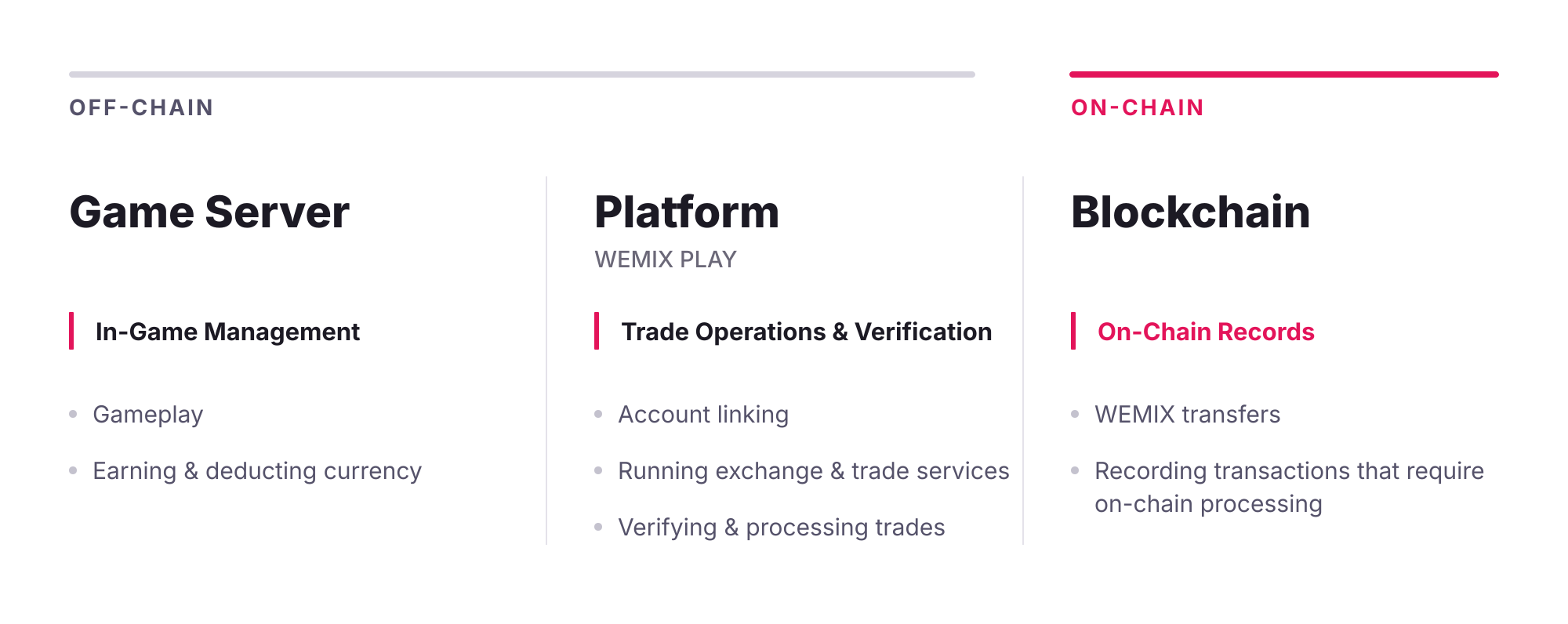
The platform provides the infrastructure necessary for blockchain transactions, such as wallets, smart contracts, and on-chain transfers. Instead of implementing these features from scratch, developers can focus on creating integration functionality that allows the game server and the platform to exchange information and deliver the results of in-game currency processing.
LIGHTCON’s role, likewise, was to implement the features needed for the game server’s currency handling and platform integration, and to connect the processing flow so that currency could be restored if a problem occurred.
"Our design goal was to make sure developers wouldn’t need to learn blockchain just to build a blockchain game." — Choi Ye-won, Assistant Manager, Technical PM Team
Adding Only What Was Needed to Existing Infrastructure
Much of the foundation needed for this integration was already in place within WEMIX PLAY. This included user authentication and the account system, a wallet for storing WEMIX and NFTs, smart contracts for handling on-chain transfers and NFT issuance, and even the Webshop. We leveraged the infrastructure we had built up over time as-is.
We’ve added new systems to integrate 〈Hellsquad Rrrush!〉. It consists of a “Station” for exchanging HELLSTONE for WEMIX, an “Item Market” where users can trade with each other, and with four systems running behind them.
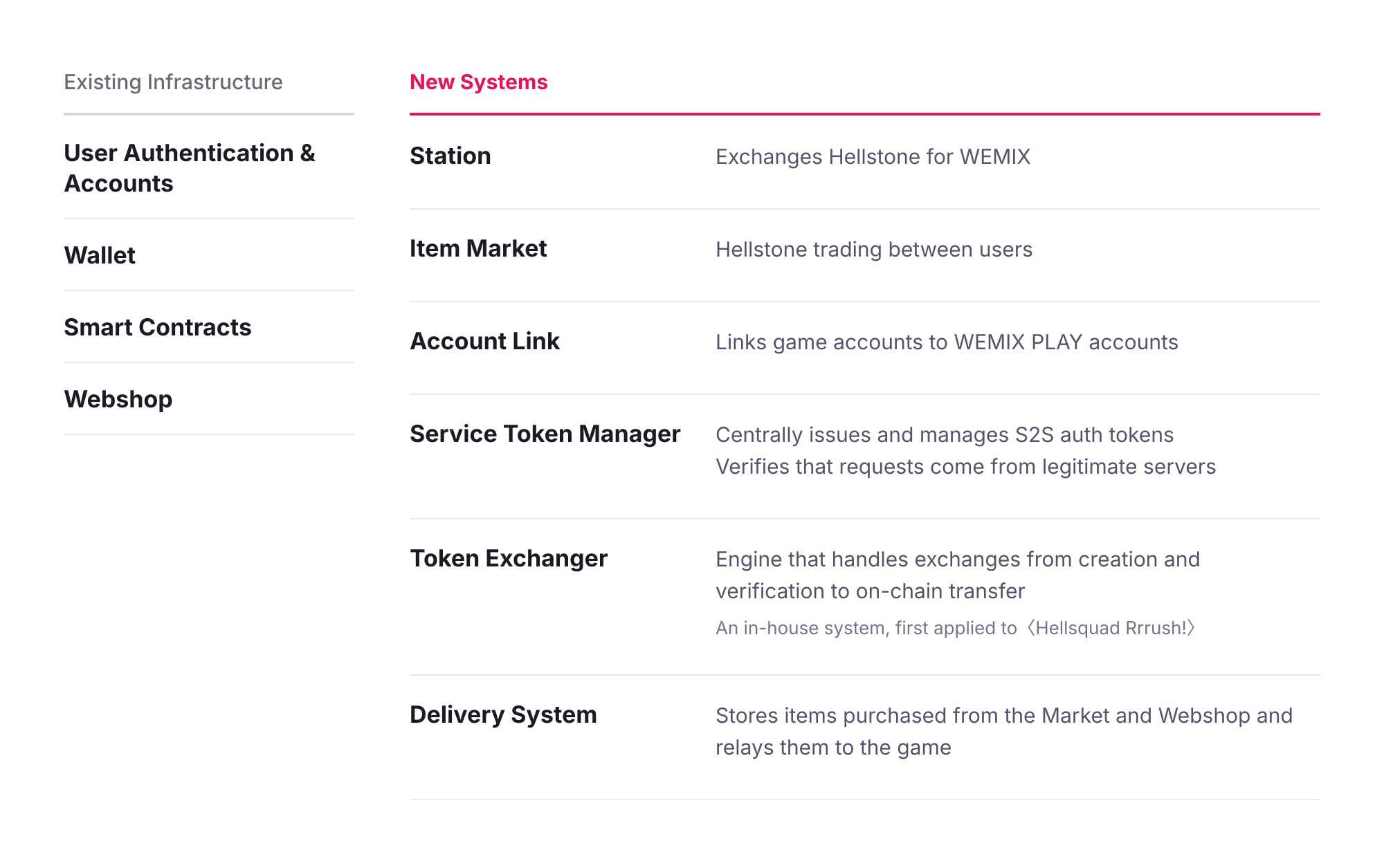
This structure uses account linking and server authentication to verify “who sent the request and from which server,” and on that basis, the Token Exchanger and delivery system process the actual transactions. Account linking information is recorded on the platform, not on the blockchain.
HELLSHARD in the Game, HELLSTONE as the Bridge to Exchange
In the game's "Hexstone Mine Wars", players mine HELLSHARD, then exchange 5,000 of them for 1 HELLSTONE at the in-game exchange.
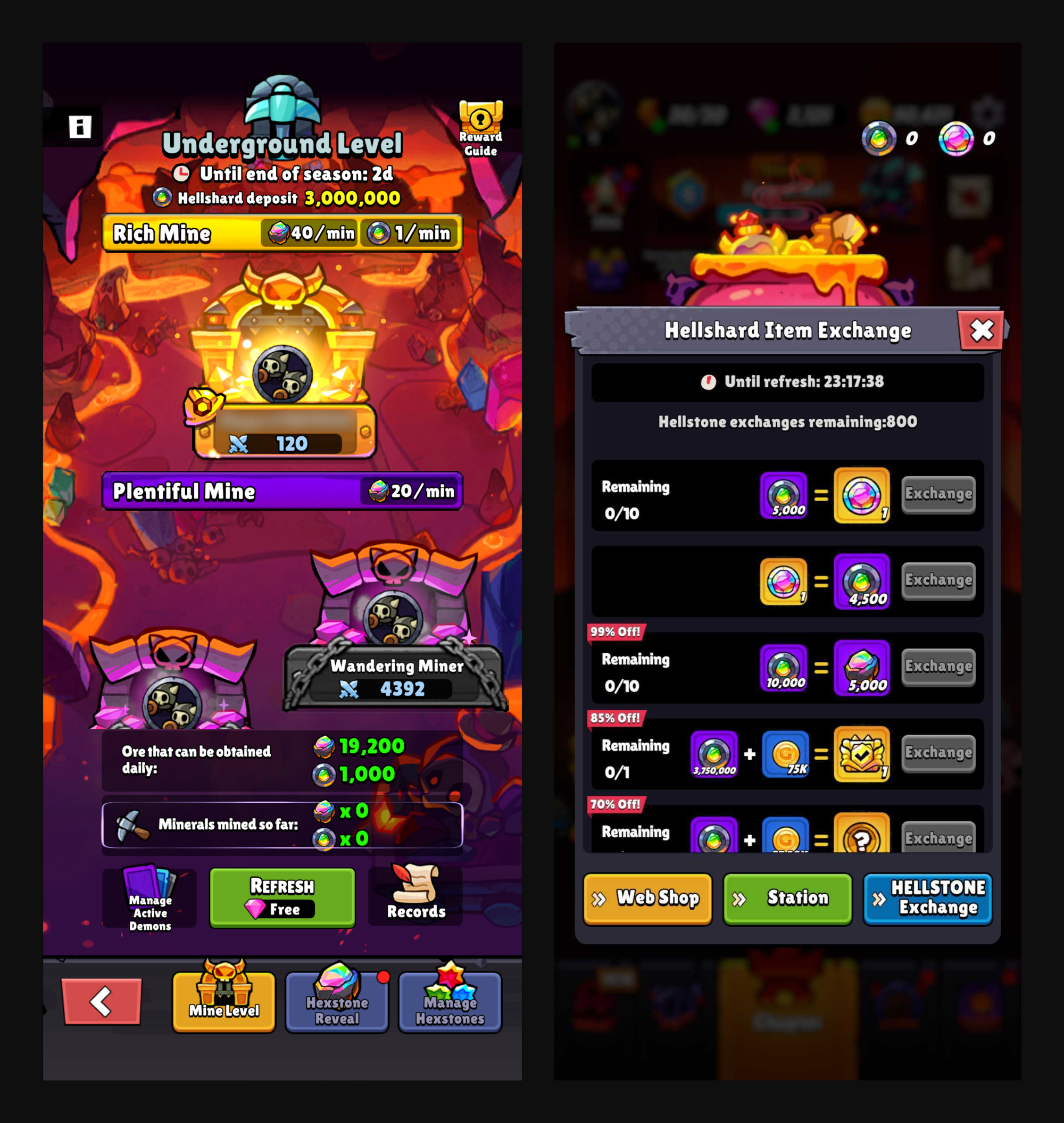
HELLSHARD and HELLSTONE are both in-game currencies managed by the game server, and no blockchain transactions occur at this stage.
There is a reason we did not link HELLSHARD directly to WEMIX
HELLSHARD is a currency earned and spent within the game, while HELLSTONE is used to exchange for WEMIX at the Station or to trade with other users on the Item Market. Furthermore, if the currency generated and spent within the game is directly linked to external assets, adjustments to the in-game balance will directly affect the external market, and fluctuations in the external market will also impact the game’s economy.
HELLSTONE serves as a buffer between the two. The in-game economy operates primarily through HELLSHARD, and exchanges with the outside world take place exclusively through HELLSTONE, in accordance with predetermined rates and procedures.
Once players have HELLSTONE, they have two options.
Option 1: Exchange for WEMIX at the Station
The exchange process consists of four steps in total. Of these, the blockchain is involved in only the final step.
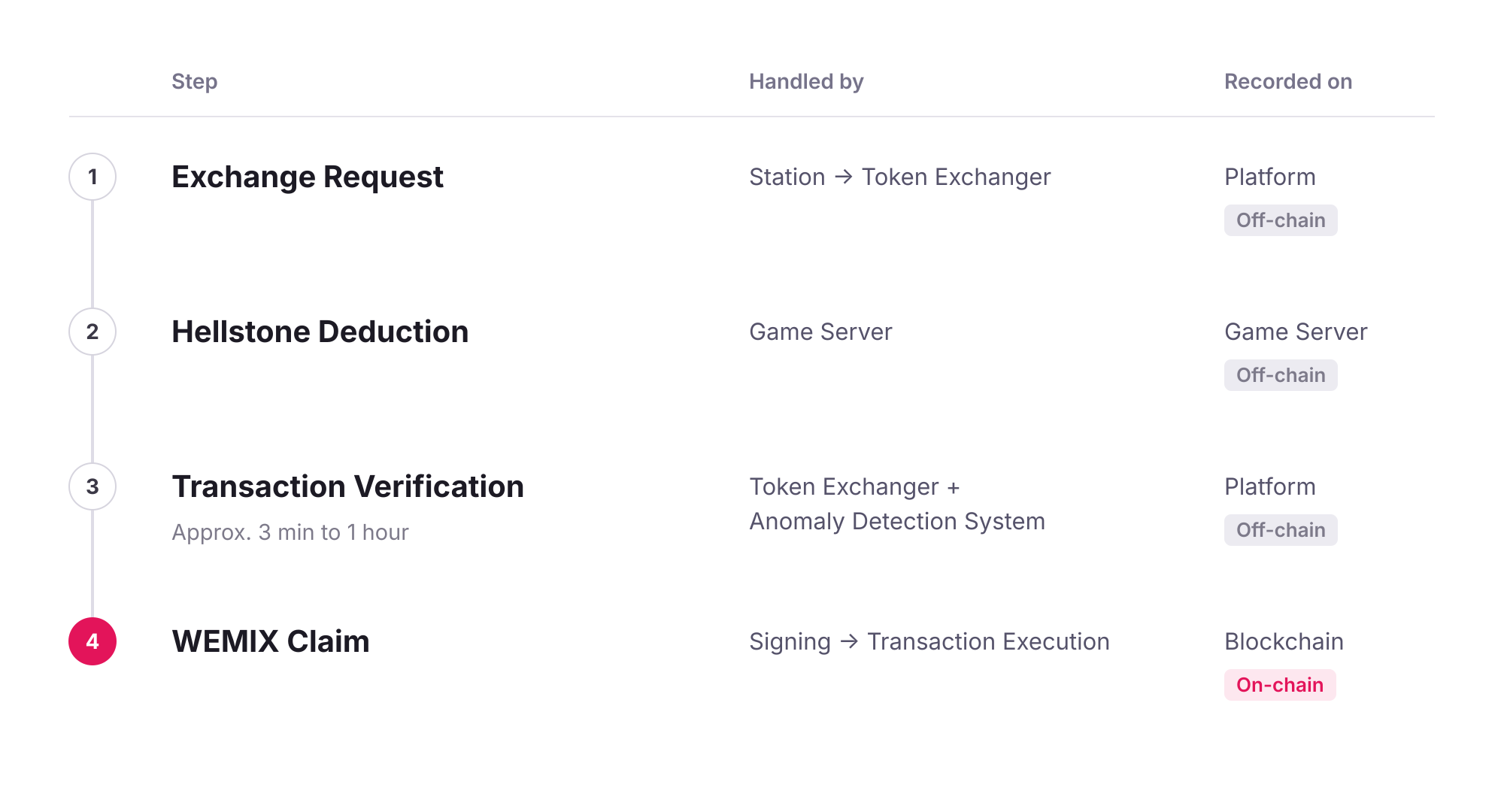
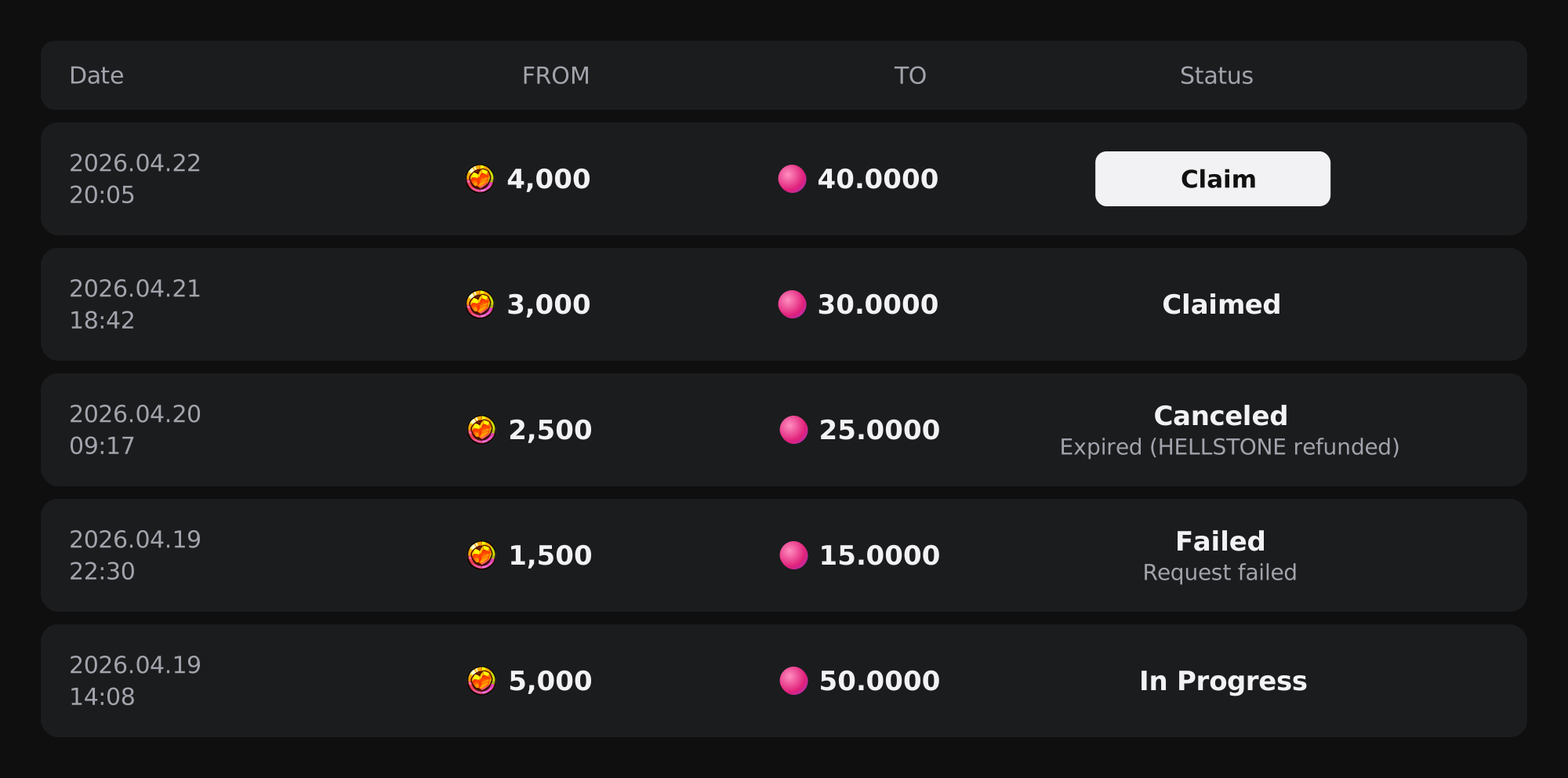
When a user requests an exchange at the station, the request is received off-chain by the platform. The token exchanger creates the transaction, requests the deduction of HELLSTONE from the game server, and verifies the deduction result. This verification process akes anywhere from about 3 minutes to 1 hour.
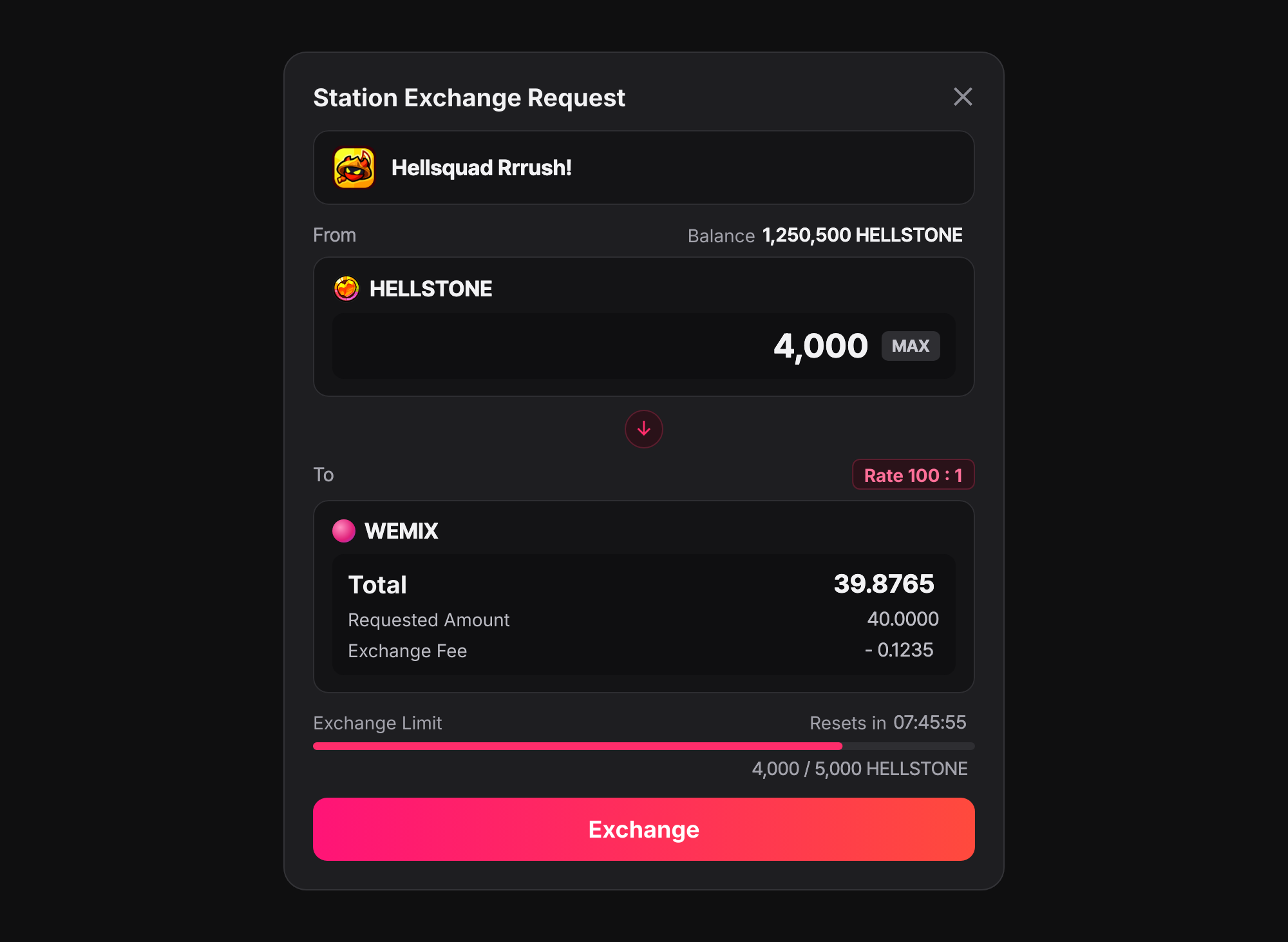
Transactions that pass verification enter a “Claimable” state. The moment a user clicks to claim, a transaction containing the user's signature is issued, and WEMIX is transferred to the user's wallet. Requests, deductions, and verification are processed by the game server and the platform, while the final WEMIX transfer is executed on the blockchain. This is why users must click the button twice—once to request and once to claim.
Option 2: Trading on the Item Market
You can also sell HELLSTONE to other users on the Item Market. The Item Market is a platform feature that allows for the trading of various items in accordance with game policies; however, in 〈Hellsquad Rrrush!〉, trading is currently limited to one item: HELLSTONE.
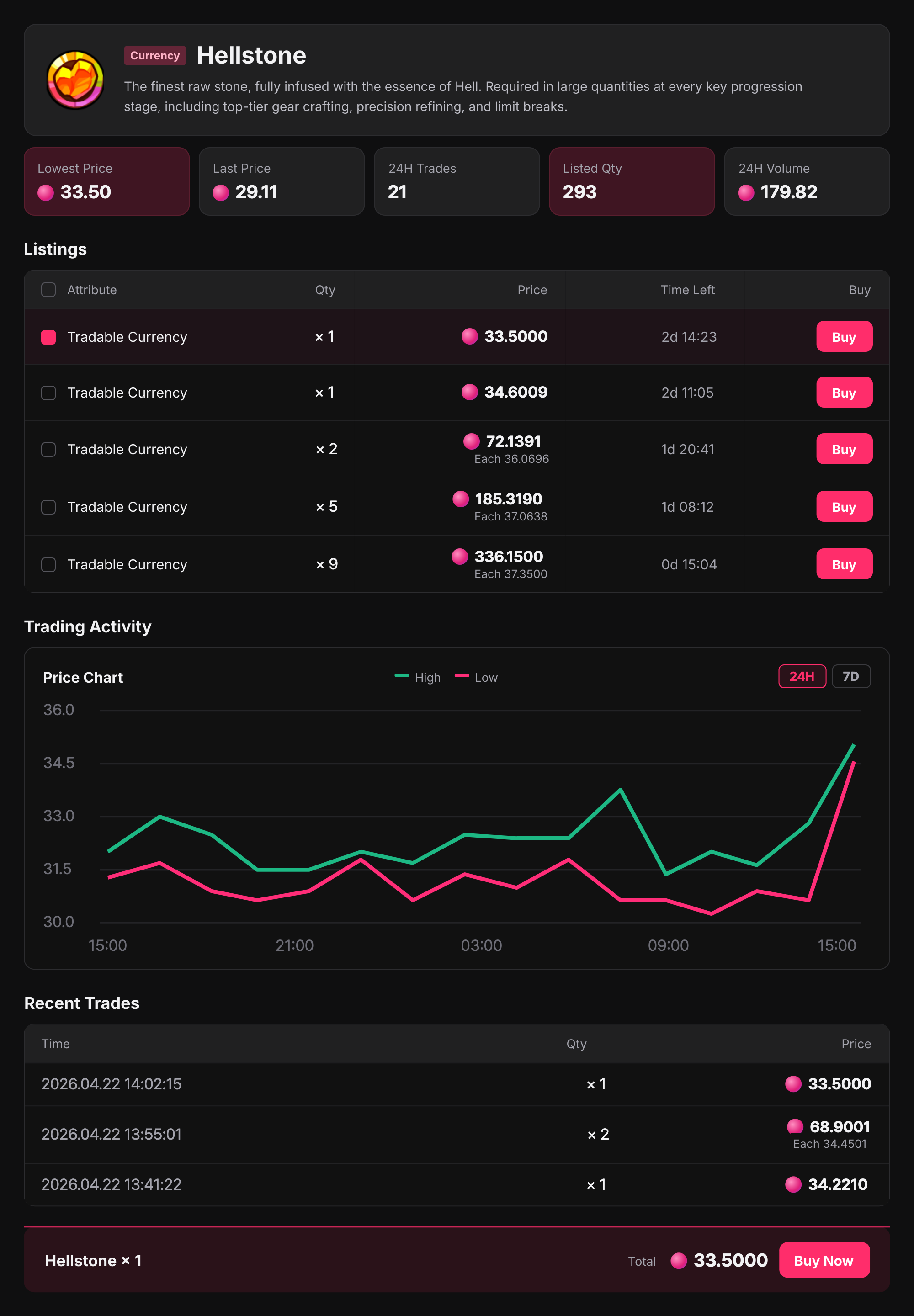
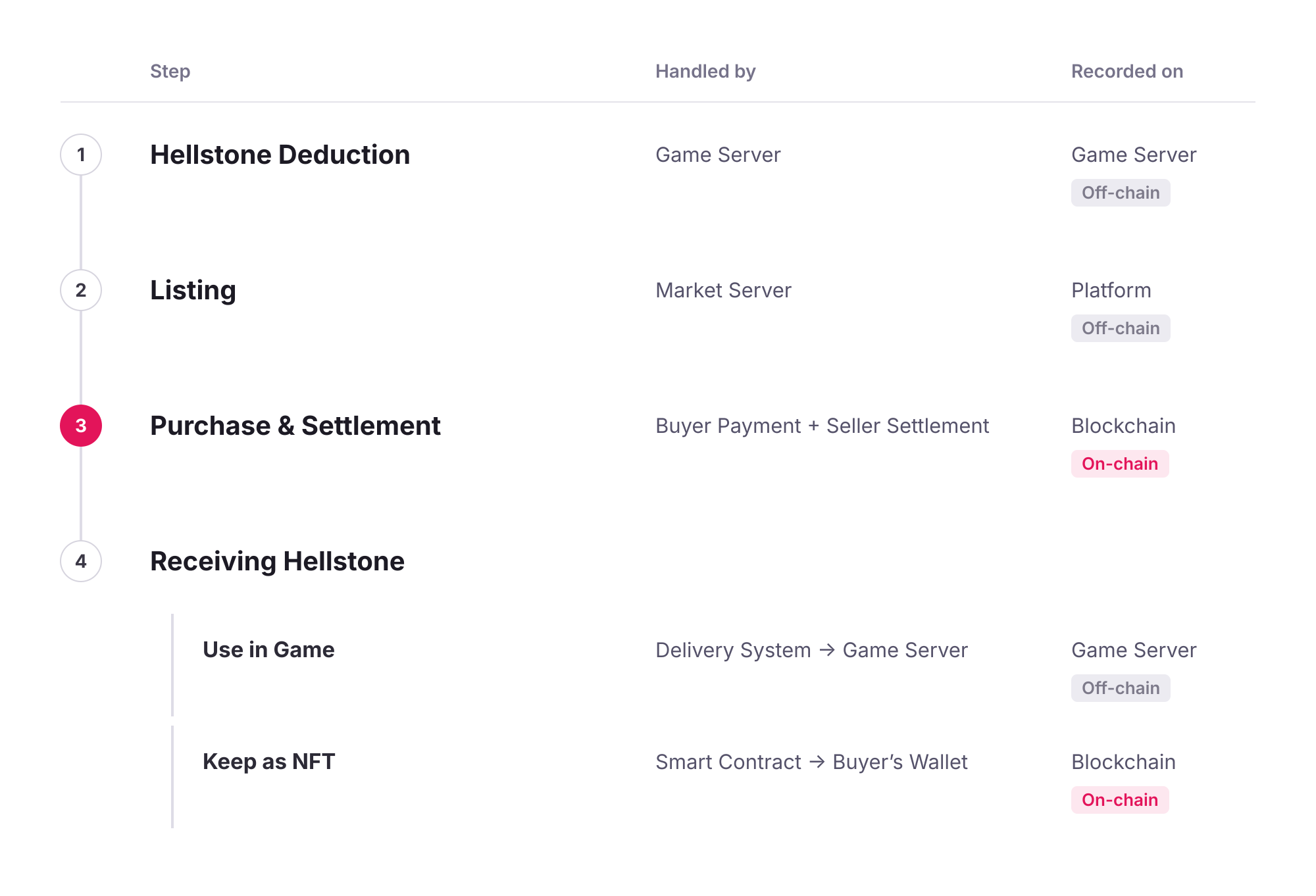
As with WEMIX exchanges, each stage of an item trade is handled by a different system. When a seller lists Hellstones, they are first deducted on the game server, and the listing is then posted to the Item Market server. This process takes place off-chain. The moment another user purchases the item with WEMIX, the buyer’s payment and the seller’s settlement are recorded on the blockchain as a single transaction. By processing the payment and settlement simultaneously, the system prevents an intermediate state where the payment has been made but the settlement has not yet been completed.
Buyers can receive HELLSTONE in two ways. To use it in-game, the delivery system stores the item, and the game server retrieves it to grant it to the player. To collect it as an NFT, WEMIX PLAY’s smart contract issues an NFT containing the item’s name and attributes and sends it to the buyer’s wallet. At this point, the item information is recorded on-chain.
Keeping Every Transfer Safe
Although the Station and the Item Market have different trading mechanisms, they share the common requirement that the in-game currency processed by the game server must match the transaction results on the platform. To ensure this, we have implemented the "deduct first, then pay" principle.
If WEMIX is paid out first but the Hellstone deduction fails, the same value remains in both the game and on the blockchain, and this cannot be undone. Conversely, if the deduction comes first, any issue before payout can be fixed by returning the Hellstones to the game.
Therefore, the platform does not blindly trust the deduction response from the game server either. It collects game server logs and platform transaction records through separate channels and cross-verifies them. After conducting multi-stage verification—including pre- and post-deduction balances, account matching, and idempotency (to prevent duplicate requests)—only valid transactions move to a claimable state. Any transaction with even the slightest uncertainty is blocked from being issued on the blockchain altogether.
In addition, we assign a unique key to each request to ensure that the same request is not processed twice, and we periodically cross-check the game logs with the platform records even after a transaction is complete.
Let Games Be Games, and Platforms Be Platforms
The approach 〈Hellsquad Rrrush!〉 took was to connect the blockchain from outside the game rather than building it into the game. This was because the game’s identity and fun are matters for the developer to decide, and the platform started from the premise of respecting those decisions.
The system we’ve added this time isn’t just for 〈Hellsquad Rrrush!〉. The Token Exchanger is designed so that only game-specific policies—such as exchange targets, exchange rates, and limits—are defined as separate settings, while the core exchange logic is shared across all games.
The Item Market can also expand the range of tradable items in accordance with the game's policies. The structure allows other games to establish policies tailored to their specific needs and connect to the system on the same foundation.
"Ultimately, I believe this change was a reasonable choice both for the developer, who wanted to preserve the game's fun, and for the platform, which sought to maintain a stable ecosystem." — Kim Sun-young, Manager, Platform Business Team
In addition, users can directly verify their exchange and trade results as blockchain records on WEMIX PLAY. Rather than having to learn about blockchain separately, they naturally become familiar with the technology through the process of exchanging and trading in-game items.
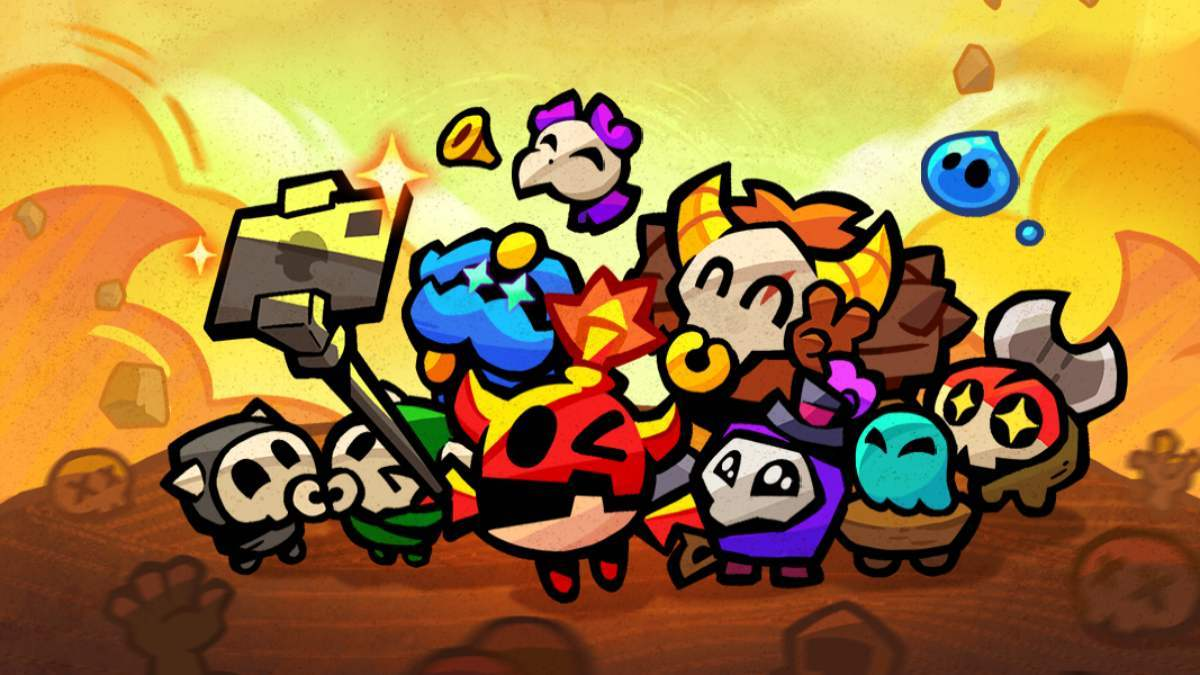
From HELLSHARD dug from the mines, through HELLSTONE, to trades beyond the game. The goal is to keep the user experience simple while meticulously designing the underlying connections. The Web3 expansion of 〈Hellsquad Rrrush!〉 began by dividing the roles between the game and the blockchain in this way.