In February 2026, a single Pokémon card sold for $16,492,000—approximately 23.8 billion won—at an online auction held by the U.S. auction house Goldin. This is the highest price ever paid for a trading card at auction.
The card is called "Pikachu Illustrator."
These cards wad originally distributed as commemorative gifts to the winners of an illustration contest hosted by the Japanese children’s magazine "Korokoro Comic" in 1998. How did a single small piece of paper printed with a character come to be worth tens of billions of won? Since these cards were not produced for commercial sale and were issued in limited quantities, those that have remained in pristine condition have become increasingly rare over time. Combined with fans’ long-standing affection for Pokémon, they have become collectibles worth far more than their physical form alone

As a result, several game companies have recently entered the trading card space, a market long driven by collecting and trading
"League of Legends" and "Cookie Run" have already launched physical trading card games, and "PUBG: Battlegrounds" is also preparing to enter the market in partnership with CardMonster, a card game developer.
Why are game companies taking an interest in physical trading card games?
The Culture of Collecting Cards, Which Began with the Cardboard Inside Cigarette Packs
If you trace the history of trading cards back, you'll discover a surprising origin. In the 1880s, American tobacco companies inserted thin cardboard into their cigarette packs to prevent the cigarettes from breaking, and printed photos of popular athletes on the cardboard.
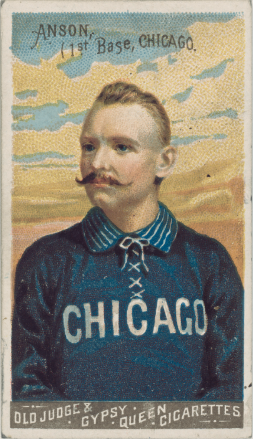
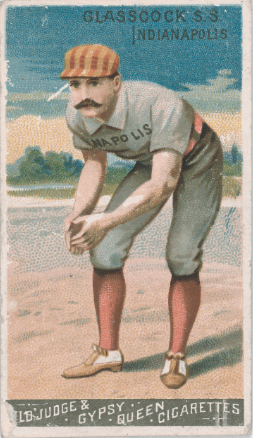
[Baseball player cards included in cigarette packs in the 1880s. Source: Library of Congress]
What began as cardboard used to protect cigarettes gained widespread attention once it evolved into sports trading cards. People repeatedly bought cigarettes just to complete a set of cards, and the packaging—which would otherwise have been discarded—became something people wanted to collect.
After that, the gum company Topps began selling baseball player cards along with its gum, and the cards gradually grew into a separate collector’s market. As the culture of preserving and collecting cards featuring favorite players took root, the subjects depicted on the cards expanded to include movie, comic book, and video game characters.
From Collectible Cards to Playable Cards
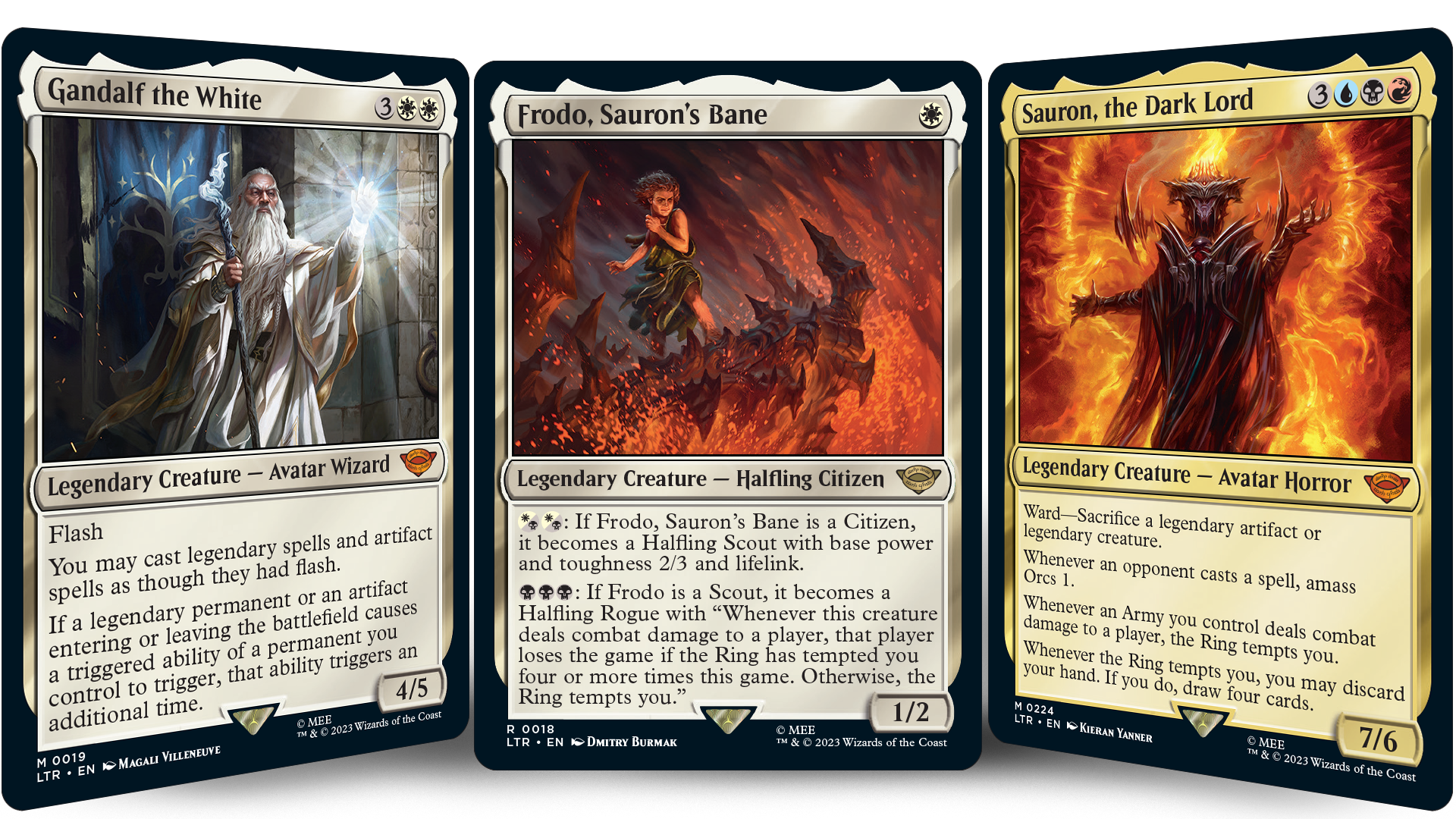
The game "Magic: The Gathering", which debuted in 1993, is considered the first trading card game. It went beyond simply collecting cards to introduce a gameplay style where players strategically combine cards with different abilities to compete against each other. Each card is endowed with a unique ability, and depending on how cards are combined, a variety of strategies emerge; the appeal of collecting cards evolved into a form of play that could be shared with others.
This trend really took off with the release of the "Pokémon Card Game" in Japan in 1996. Based on the familiar Pokémon IP, the fun of collecting favorite characters, trading cards, and battling with custom decks became widely popular.
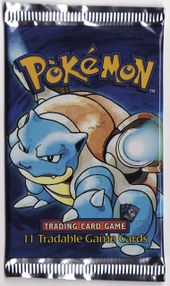
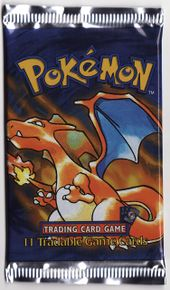
[A Pokémon Trading Card Game booster pack released in the U.S. Source: Bulbapedia]
Why Are Game Companies Making Cards Again?
Recently, game companies have been turning their attention back to trading card games (TCGs) as a way to extend in-game characters and worlds beyond the screen. This allows fans to enjoy a new experience by holding IPs—which they previously encountered only through games—in their own hands.
The same card can mean different things to different people. For fans who want to keep their favorite characters close, it becomes a keepsake; for those seeking rare illustrations, it becomes a collectible; and for those who enjoy building decks and competing, it becomes another game in itself. Even people who didn't connect with the original game's genre or controls can find the card game interesting, and fans who have drifted away from the game may reconnect with the IP through cards featuring their favorite characters.
Therefore, the first question a game developer should ask isn’t “Can we turn our IP into a card game?” but rather, “What aspects of our IP do fans want to see as cards, and what kind of experience will those cards provide?” This is because the content that should be included on the cards—and the experience that follows—will vary depending on whether fans are seeking specific characters, the aesthetic appeal of the universe, or memorable scenes and gameplay.
Designing the Next Generation of Card Experiences
With the release of "Riftbound", Riot Games didn’t just focus on the cards themselves. They meticulously designed the post-launch experience so that even first-time players can learn the game’s rules, build their own decks, and compete against other players.
“Nexus Night,” held weekly at TCG specialty stores nationwide, is a place where players can learn the card game and meet opponents. Players who start here can also participate in tournaments leading up to store qualifiers, open qualifiers, and the Korea Major. From the moment they first lay out their cards to regular play and competition, the company has created a structure that allows players to progress to the next level.
Cookie Run: Bravers is also expanding the player experience through its card shop. Following the launch of tournaments and hands-on programs in South Korea, the company announced plans to operate the official competitive program, “Brave League,” at local card shops after its European launch in 2027.
What’s impressive about these two examples is that they didn’t stop at simply releasing the cards; they designed a concrete experience that extends to what fans will do with those cards. Once a flow is established—where players learn the rules, build decks, compete against others, and return to stores and tournaments—the cards become a game that keeps players coming back, rather than a product they collect just once and set aside. This is because even the time spent waiting for new cards and the next tournament becomes part of the experience of enjoying the IP.
WEMADE VIEWPOINT

Physical cards are one of the most representative ways to extend game IPs beyond the screen. Today, their significance goes far beyond being mere collectibles. When fans gather in the same space to lay out their cards, compete strategically, and share experiences, the cards become an offline interface that connects the digital world with reality.
Ultimately, the expansion of a game IP goes beyond simply deciding what to turn into a product; it is about how to design touchpoints that allow fans to experience the IP in new ways, connect with one another, and remain actively engaged.”
An experience that goes beyond collecting and extends beyond the game
There’s no single reason why we’re so passionate about a single card.
It’s because it combines the sense of ownership that comes from getting your favorite character, the process of searching for and trading the cards you want, the strategy of competing with a deck you’ve built yourself, and the joy of sitting face-to-face with people who share your interests. Even in this era of a constant flood of digital content, cards continue to create a unique, tangible experience that can only be enjoyed together.
This is also why game companies are once again turning their attention to the card market. Cards bridge the gap between the stories that begin in games and the real world, offering fans yet another way to enjoy IP. A single card may be small, but the experience it unlocks can extend far beyond the game itself.