How Do Games Build Worlds by Layering Imagination onto Real History?
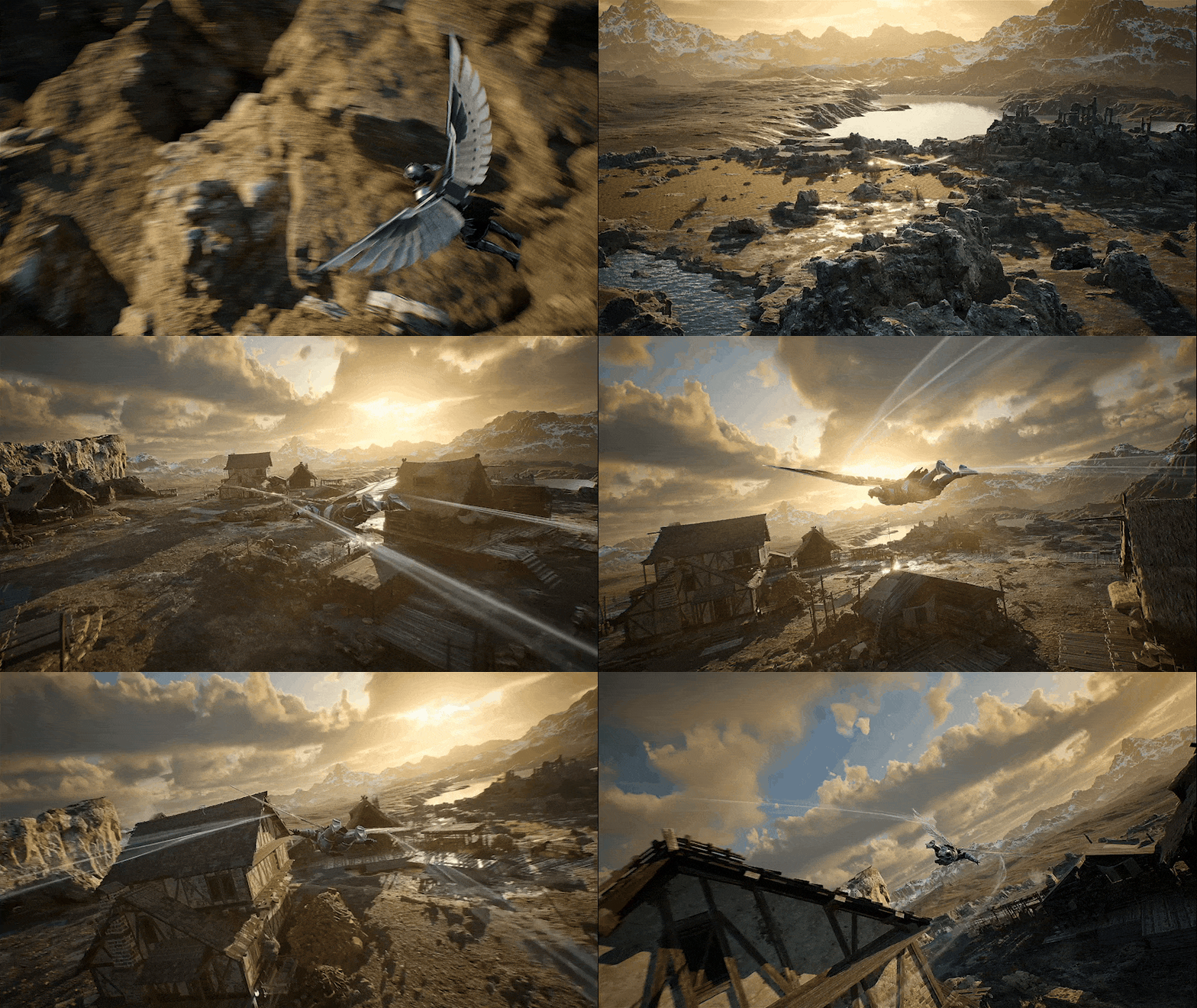
13th-century Europe. A man standing at the edge of a cliff throws himself into the void. Immediately, wings unfold behind him, and he flies over city walls and battlefields.
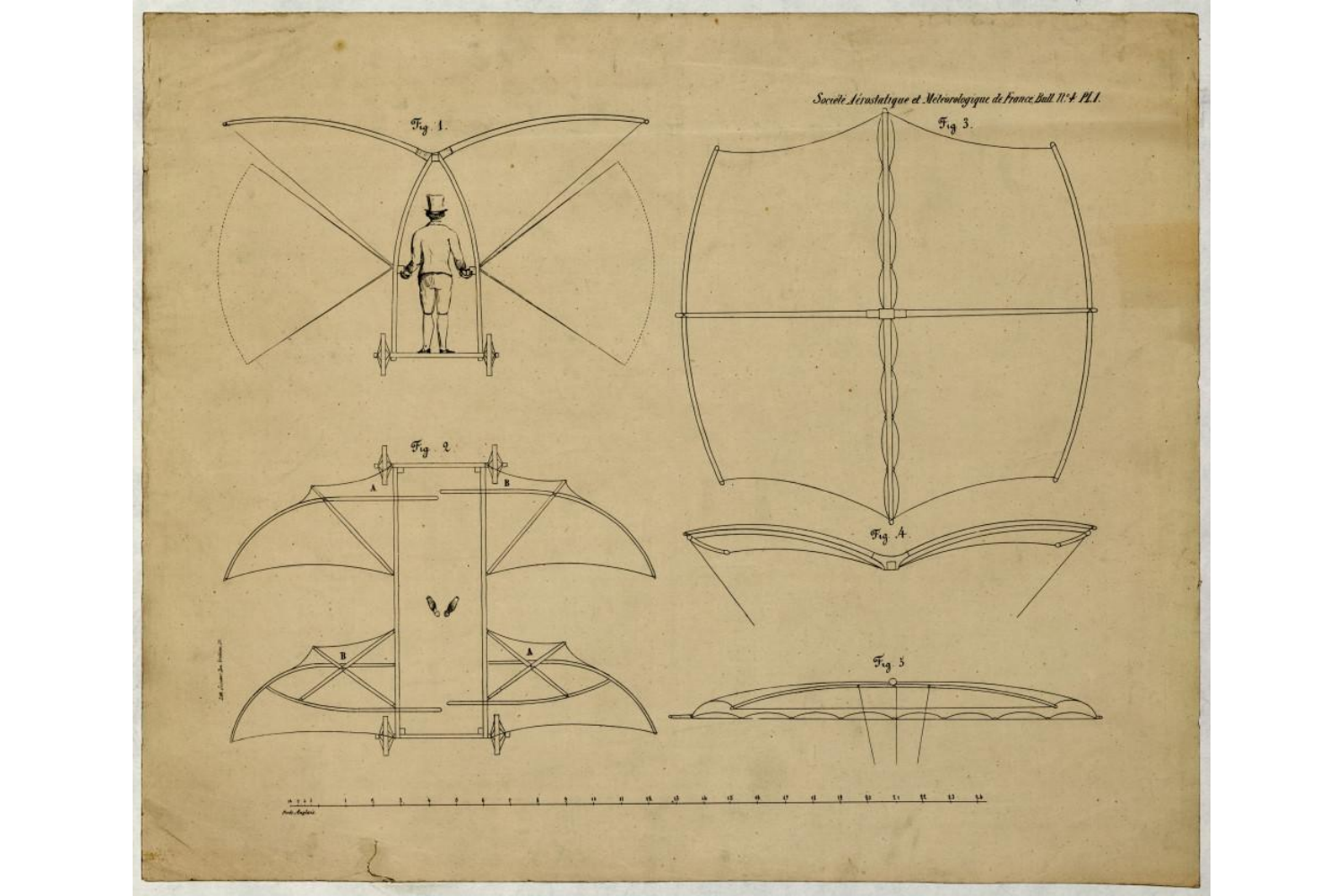
Of course, this is a scene that could not have been seen in the 13th century. It was not until hundreds of years later that humans began to systematically study how to fly using fixed wings. In the 19th century, George Cayley of England studied wing structure and designed gliders and manned flying machines, and it was not until 1853 that the first blueprints for a manned flying machine appeared.
Game worlds rarely begin from nothing. Often, they start with a familiar piece of history or reality, then reshape it through imagination—adding nations, characters, and technologies that never existed.
The 13th century reimagined by NIGHT CROWS is no exception. Medieval France and the Holy Roman Empire are drawn from real history, while the fictional “Principality of New Trieste” is placed between them. From there, the game layers in magic, gliders, and new factions, creating a world where real history and fictional settings naturally overlap.
So, when it comes to NIGHT CROWS, where does the 13th century end as actual history, and where does the fictional world begin?
The 13th Century: An Era of Chaos Chosen by NIGHT CROWS
The world of NIGHT CROWS begins in Europe, immediately after the end of the Fourth Crusade.
Why the 13th century, of all times? It was an era when royal and papal authority clashed in Europe, knights and nobles acted according to their own interests, and faith served as both a unifying force and a source of conflict. From the Crusades and religious strife to the rise of city-states, the political, religious, and economic orders were all in turmoil, and the fortunes of various powers were constantly shifting.
This is also why NIGHT CROWS was set in 13th-century Europe. Since that era was already complex and dramatic enough in its own right, it provided an ideal framework for weaving in the history of a fictional nation and new factions.
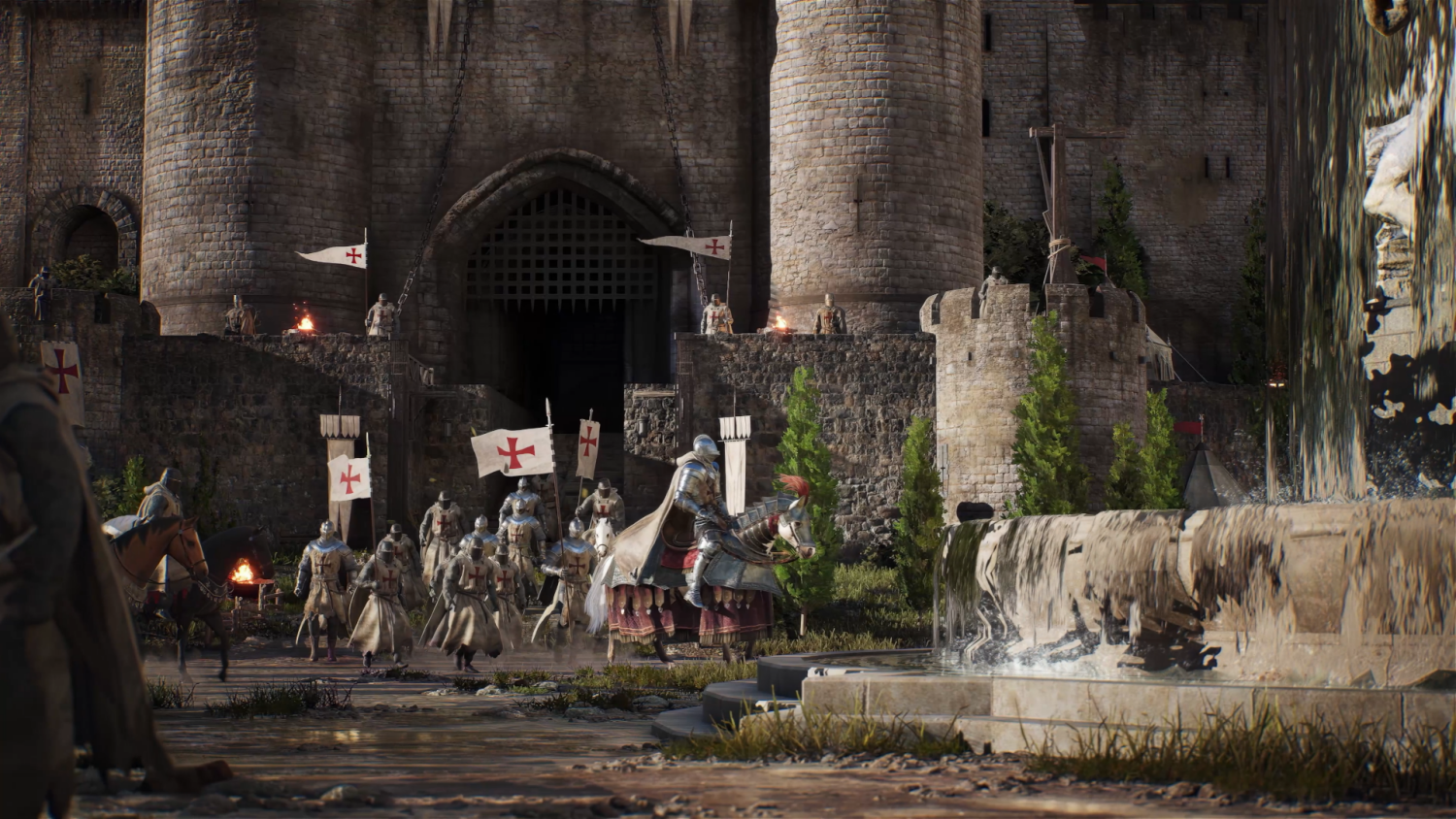
Among the historical events woven deeply into the world of NIGHT CROWS is the Albigensian Crusade.
The Albigensian Crusade, which began in 1209 and centered on southern France, was a war waged against the Cathars, whom the Catholic Church had designated as heretics. Although it began for religious reasons, the protracted conflict brought about significant changes to the political order of southern France.
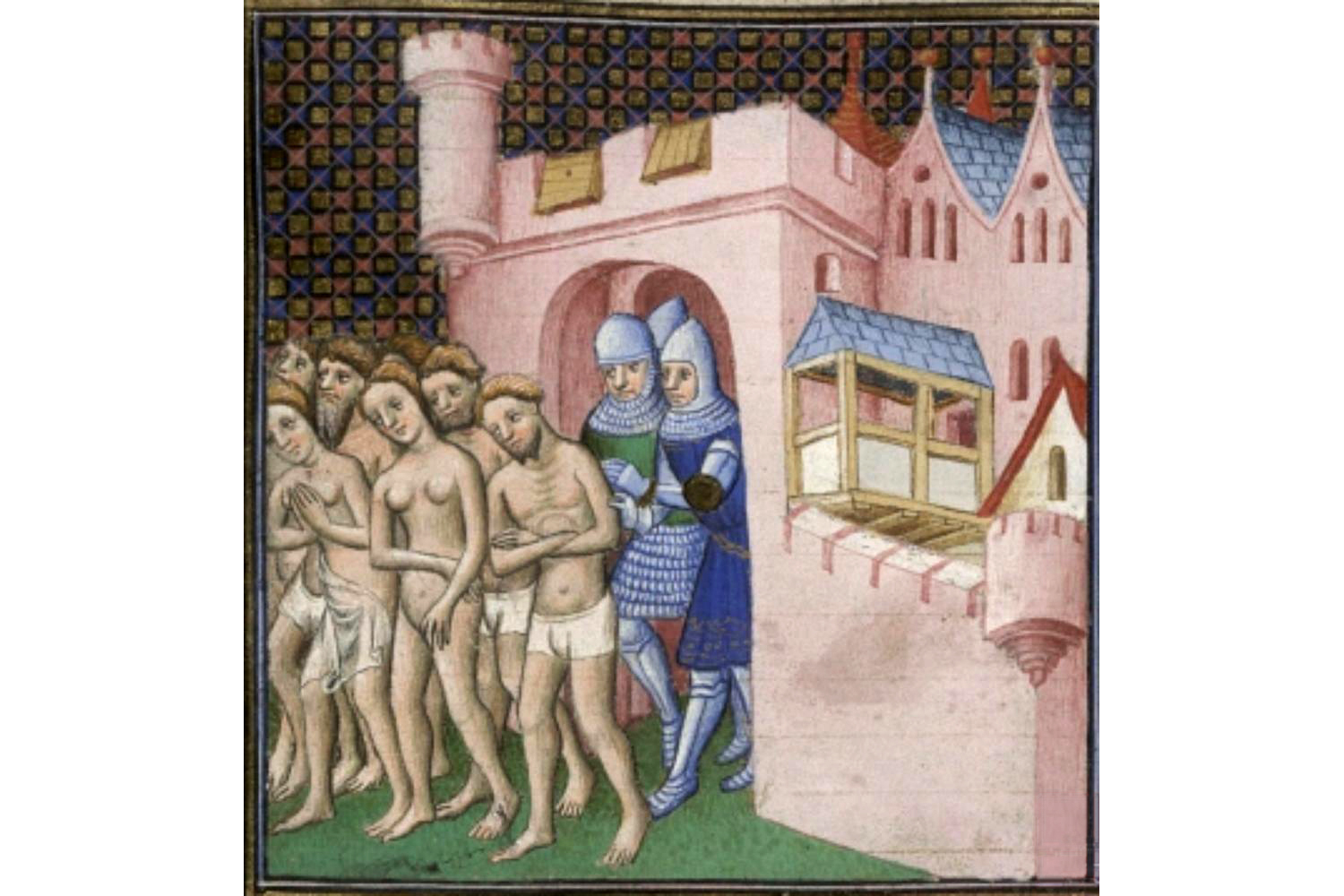
It is precisely at this point that actual history and the history of NIGHT CROWS begin to diverge.
Set between medieval France and the Holy Roman Empire, the “Principality of New Trieste”—a realm that never existed on real-world maps—makes its appearance. The figure who seizes power in this duchy is “Brandt,” a character in the game. Seeking to secure his legitimacy by having his status recognized by the Pope, he takes part in the Albigensian Crusade, which actually occurred in history. However, when signs of civil war emerge, he turns his army around and agrees to pay war subsidies to avoid a conflict with the Pope.
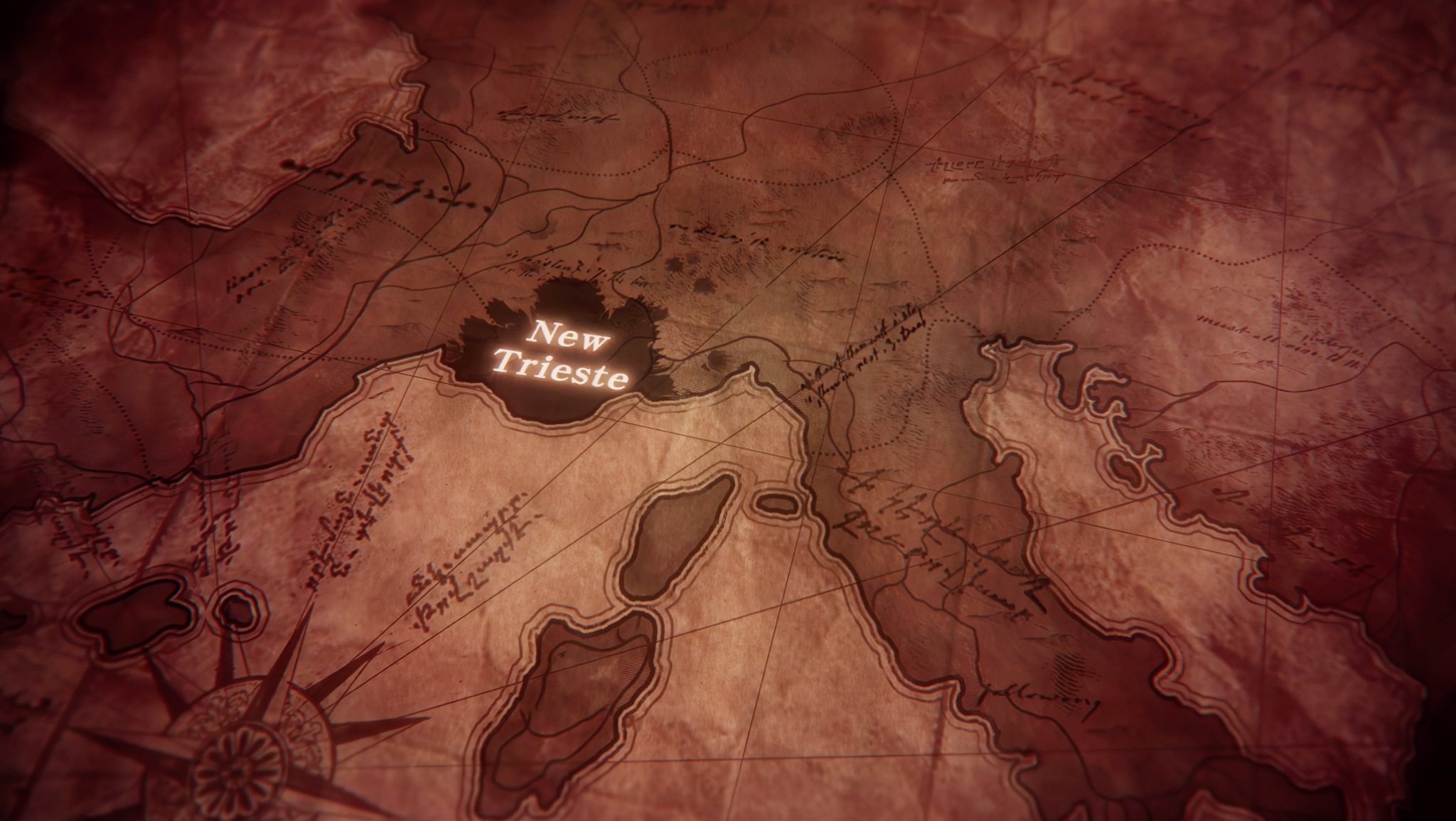
The problem was securing the funds for that subsidy. Lacking sufficient financial resources, Brandt ultimately transferred the mining rights and the exclusive distribution rights for gliders to the "Night Crow Guild." This decision would later become a pivotal turning point in the Night Raven Guild’s rise to become a major power.
A war that actually took place in history shakes up a fictional nation; a single character’s choice creates new economic interests; and this, in turn, leads to the growth of a major faction within the game.
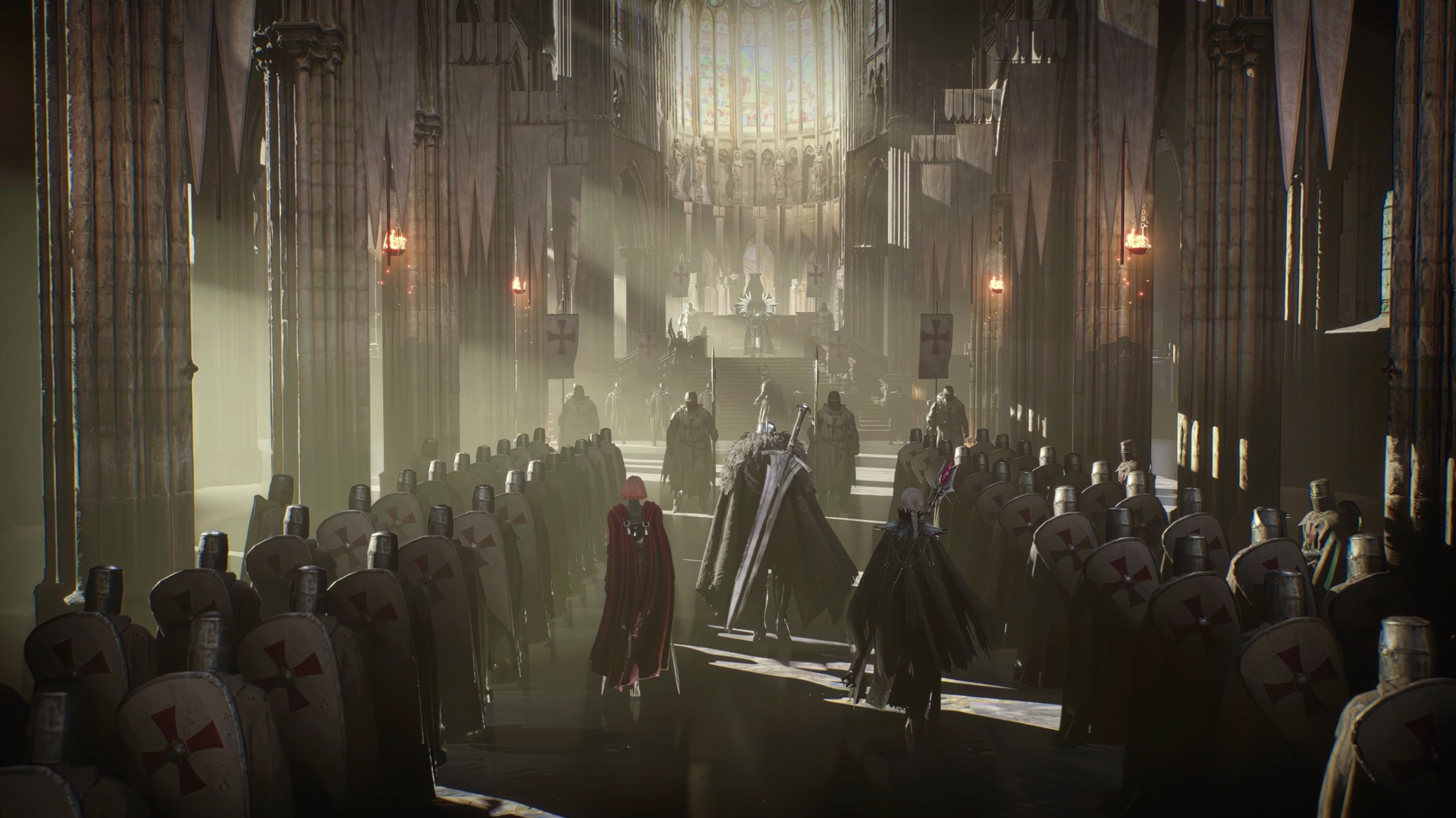
NIGHT CROWS does not stop at simply using history as a backdrop.
"If this incident had actually happened in this world, what would have happened next?"By weaving together new causal relationships right where real history ends, it creates yet another 13th century.
When the History of Heresy Becomes Fantasy
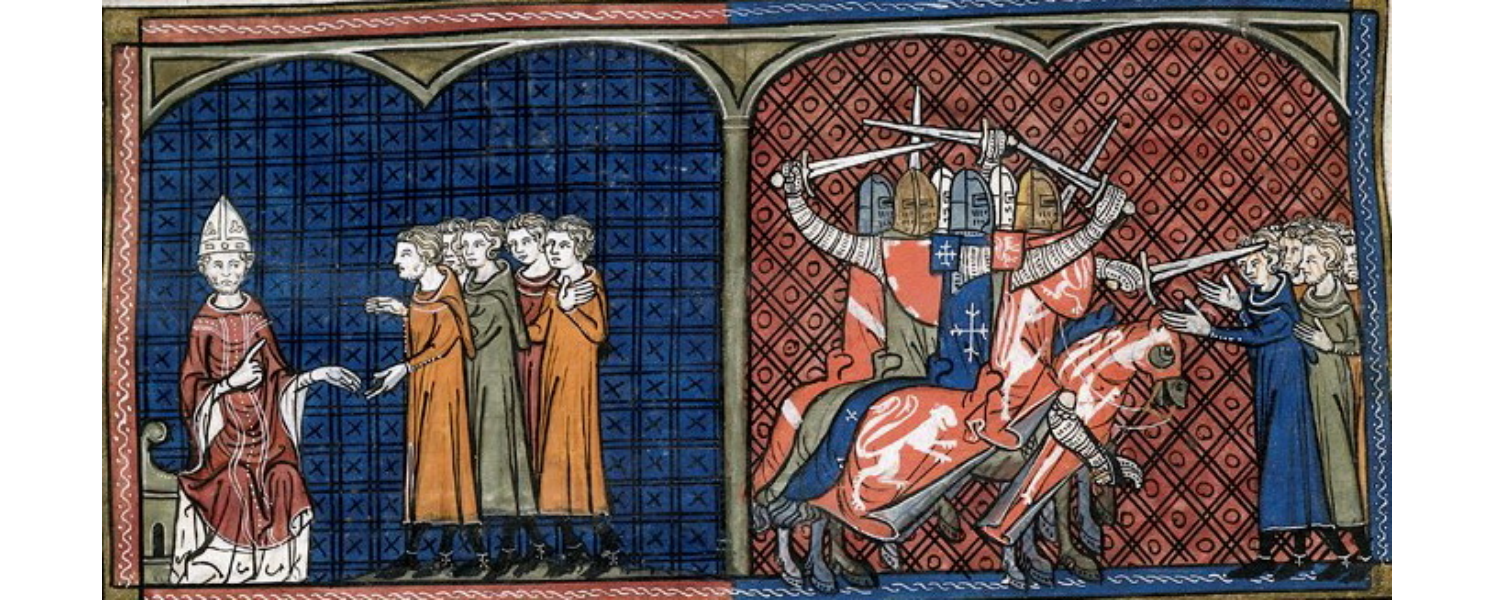
The Albis Crusade left more than just a legacy of war in NIGHT CROWS. The Cathars, who were the primary targets of that war’s persecution, also serve as a key element in shaping the game’s world. The Cathars were a religious group persecuted as heretics in medieval Europe. They believed that while the human soul is good, the real world in which we live is a place that borders on evil.
This belief, which may sound unfamiliar and extreme, is reborn in NIGHT CROWS as a fantasy setting known as the “Order of Elemet.”
TOrder of Elemet, too, does not believe that the reality in which humans live is an entirely good world. According to their doctrine, the good part of the Supreme Being created Heaven, while the evil part created the present world. Therefore, to them, reality is not so much a place that must be preserved as it is a flawed world from which humans must escape.
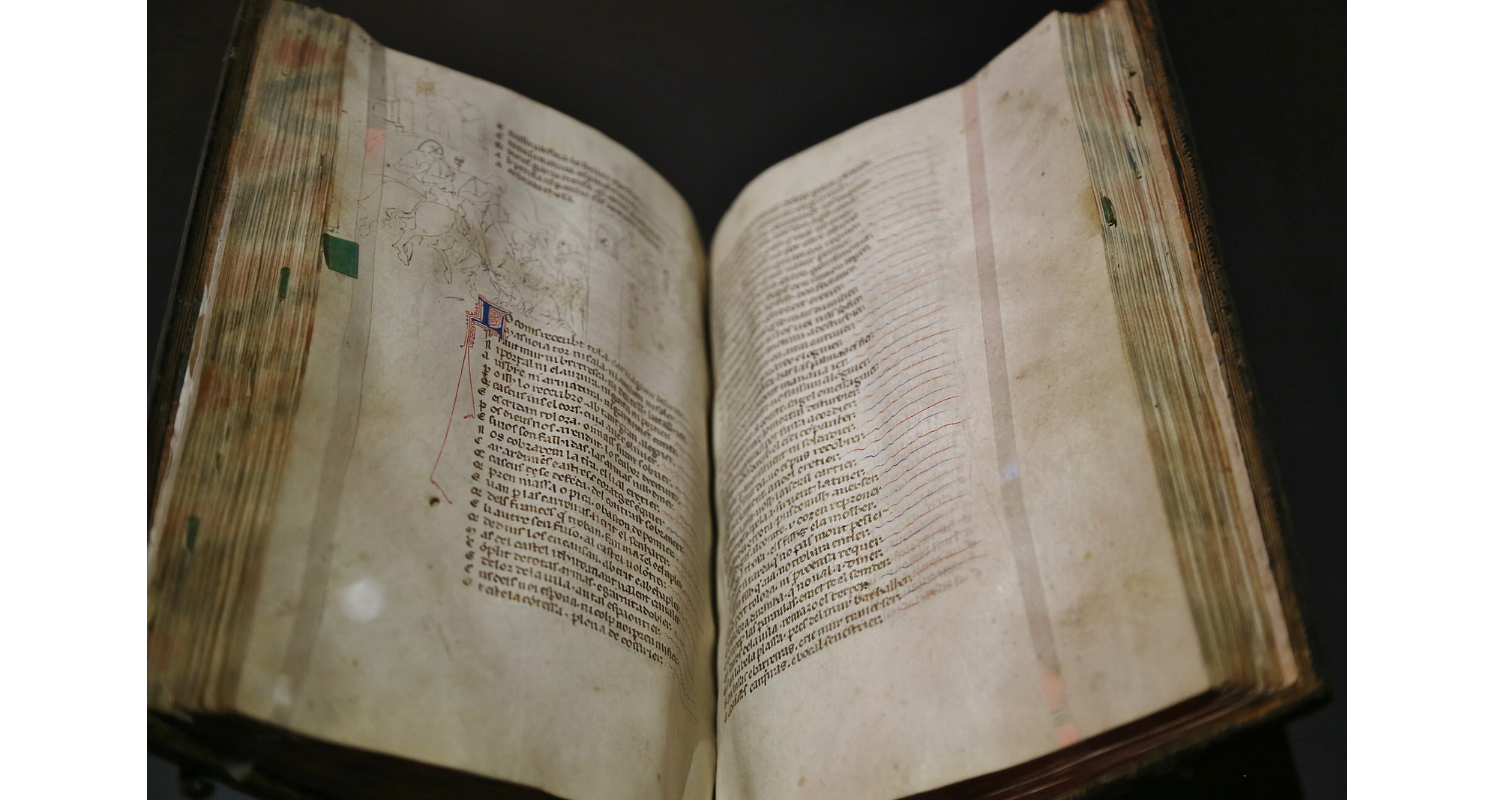
Once you understand this context, the actions of Order of Elemet take on a slightly different light. On the surface, they may appear to be a dangerous group that brings suffering and chaos to the world, but they themselves do not believe they are acting with the intent to destroy. They believe their mission is to free people from a world created by evil and to help them be reborn as new beings.
In other words, it wasn’t simply a matter of inventing a single “evil heresy.” Instead, the creators took the core of a belief system that actually existed in the Middle Ages and reimagined what it would look like if that belief possessed real power and purpose in a fantasy world.
While the Albi Crusade branched out from a real-world war into fictional political history, the Cathars expanded from a real-world religious ideology into a sect in a fantasy world. This is yet another way NIGHT CROWS draws on actual history.
How to Fly a Glider in the 13th Century
Conversely, there are some elements that never actually existed in history but have come to symbolize NIGHT CROWS. One such example is the glider.
Humans have long dreamed of flying through the sky. In the late 15th century, Leonardo da Vinci conceived of various flying machines modeled after birds’ wings and left behind blueprints for them. However, these were still largely just ideas on paper. It wasn’t until the 19th century—hundreds of years later—that the first manned glider flight actually took place.
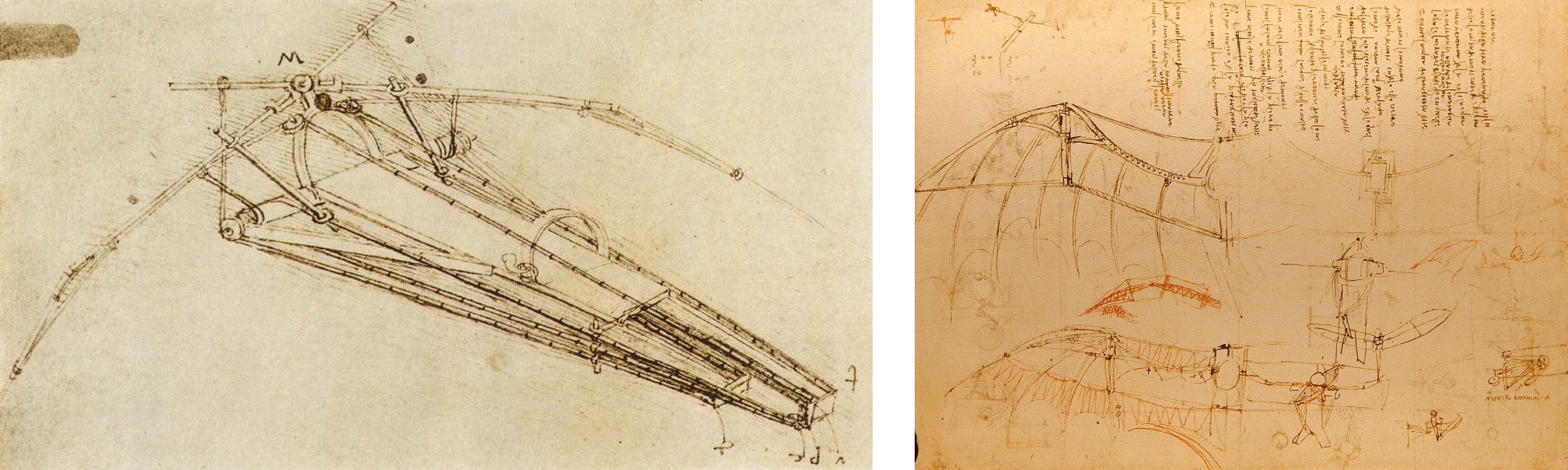
However, in NIGHT CROWS, people are already flying in the 13th century—about 600 years earlier than that.
What makes this interesting is that NIGHT CROWS does not simply leave it at “it’s possible because it’s fantasy.” Instead, it builds a fictional history on top of the real 13th century, giving the glider a reason to exist within this world.
In the game’s lore, the Crusades lead to technological exchange between Europe and the Arab world, allowing knowledge of flight to pass into Europe. Add the fictional material “Morion,” and the game has a history in which gliders can plausibly exist in the 13th century.
NIGHT CROWS does not aim for a perfect historical recreation, nor does it pursue a fantasy where anything goes. Instead, it uses actual history to establish the rules of this world and then reimagines the reasons why fantasy operates within those rules. The result is a history that, while it never existed in reality, feels plausible—at least within this world.
Speaking of Freedom in the Least Free of Times
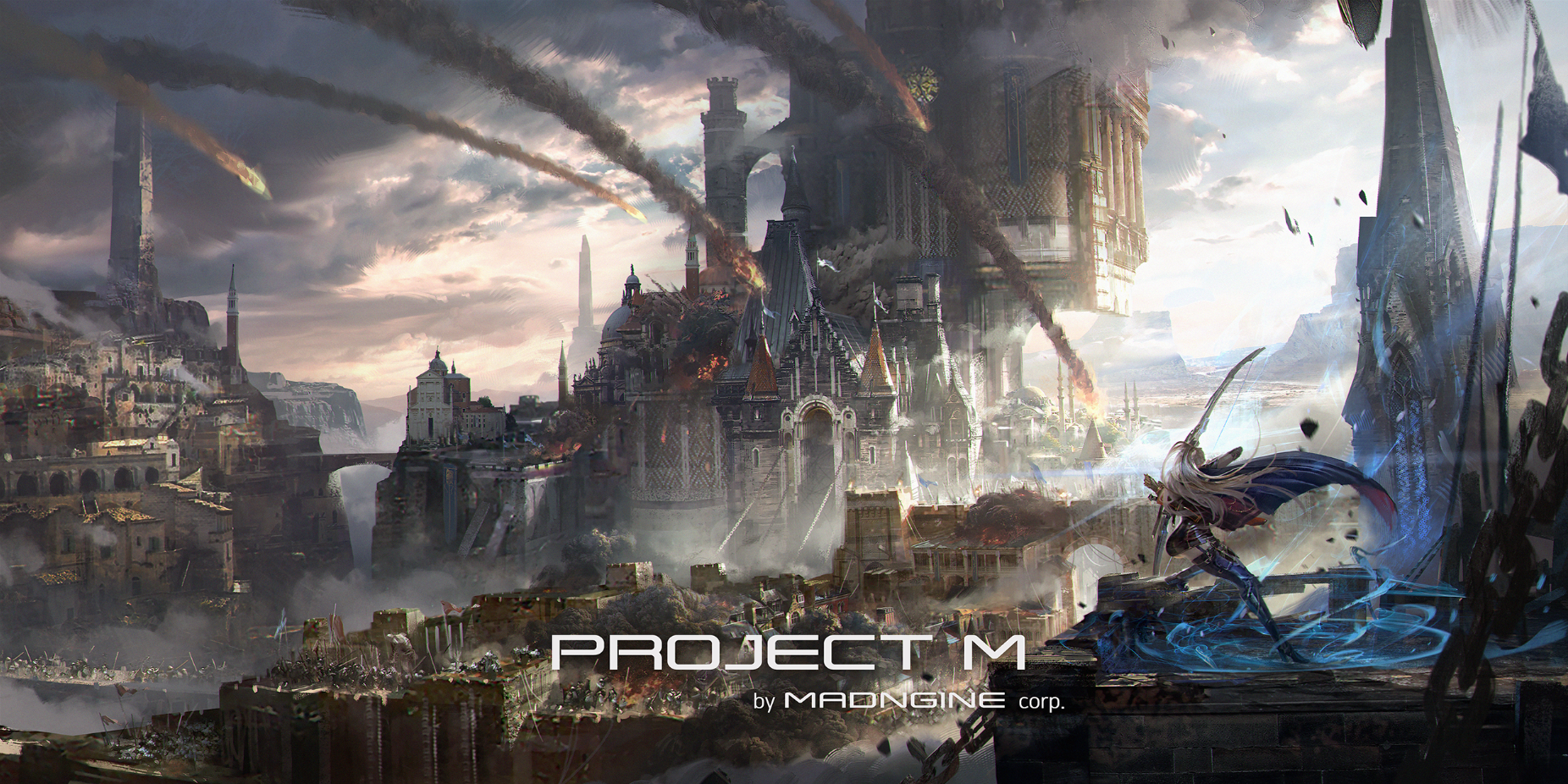
In fact, the way the medieval world of NIGHT CROWS differs from reality runs much deeper than magic or gliders.
That's exactly how the player lives.
In medieval society, an individual’s life was inextricably linked to their social status, family lineage, religion, and the lord to whom they owed allegiance. The range of life choices available to a person varied greatly depending on whose child they were and which social class they belonged to.
However, players in NIGHT CROWS do not grow stronger to uphold their family’s reputation. Nor do they build their power to carry on the family line or remain loyal to a lord. There is also no need to bind themselves to aristocratic society or any particular religion.
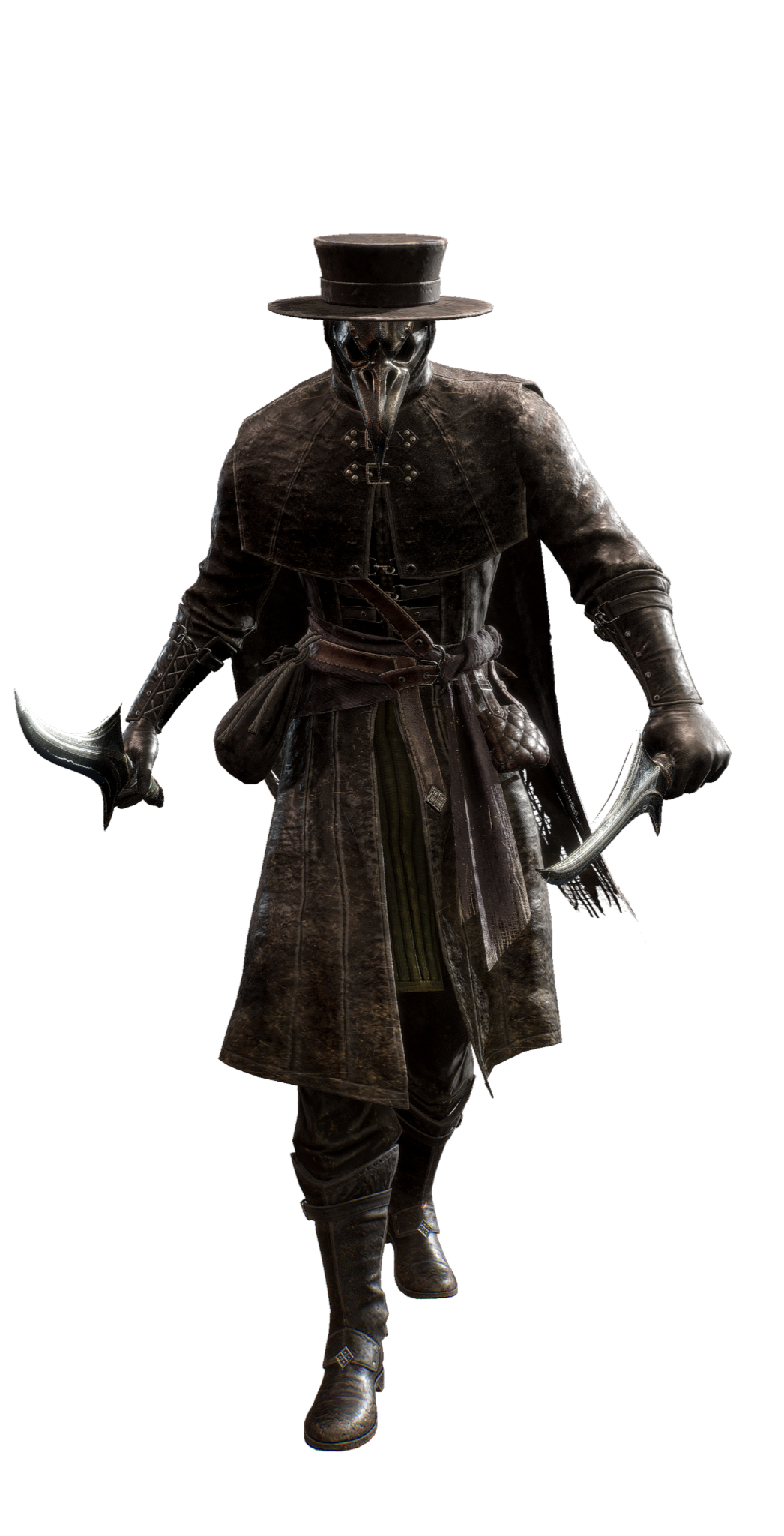
At the heart of it, instead, is the freedom to choose one’s own life.
Clemens, the leader of the Night Crows Guild, also helps and guides those who wish to live the lives they have chosen for themselves, rather than forcing people to conform to a predetermined order. Players, too, grow by believing in their own potential and seeking new opportunities, rather than following a destiny dictated by others.
This balance was also a key consideration during the narrative design process. The narrative team stated that they did not want to make the world of NIGHT CROWS overly fantastical, nor—conversely—depict it as an excessively gloomy and brutal world simply because of its medieval setting. Their goal was to create a world that retained the weight of the era—marked by war, religious conflict, and power struggles—while still allowing players to discover their own potential and choose their own paths within it.
From Another 13th Century, Into the Wider World
Let’s go back to the original question.
To what extent is the 13th century in NIGHT CROWS based on history, and where does the fantasy begin?
The real-life event known as the Albigensian Crusade gives rise to the politics of New Trieste and the rise of the Night Crows Guild, while the ideas of the Cathars are reinterpreted as a new faith called Order of Elemet. As clues drawn from reality intertwine with the game’s imagination, the 13th century as we knew it gradually transforms into a history unique to NIGHT CROWS While filling the gaps in history with imagination, the game never loses sight of the real-world foundation that underpins that world.
And now, that world is ready to enter its next chapter.
The upcoming title NIGHT CROWS W carries forward the world built by NIGHT CROWS, expanding both its setting and the scope of its stories. Where might the history of the 13th century—and the imagination layered upon it—lead next?
There is more of the NIGHT CROWS world yet to unfold.