Are You Playing Games—or Watching Them?
How did you first discover 〈MECCHA CHAMELEON〉? Did you play it yourself, or did you first come across it on YouTube Shorts or Instagram Reels? For many people, the answer is likely the latter.
〈MECCHA CHAMELEON〉 was created by just two developers over the course of two months. There was no dedicated advertising campaign. Even so, the game surpassed 15 million copies sold within a month of its release. But what makes the game remarkable is not only how many copies it sold. It is how the game reached people.
〈MECCHA CHAMELEON〉 spread rapidly through short-form videos created by countless content creators. Before playing the game themselves, people watched and shared the clips as bite-sized entertainment. That attention then translated into actual play.
It was a game that prompted people to say, “I saw it on Reels,” before saying, “I played it.”
In this article, we explore how 〈MECCHA CHAMELEON〉 spread so explosively through short-form content—and what becomes a new competitive advantage when games are consumed not only as games, but as content.
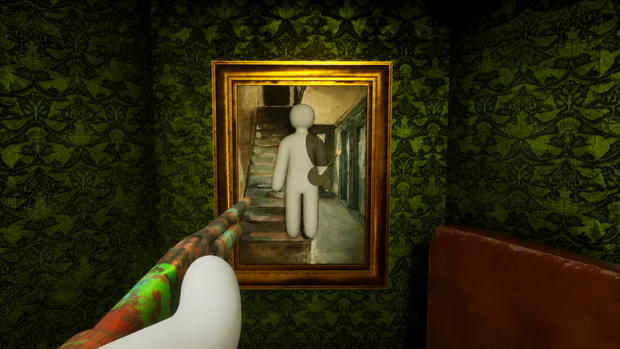
Gameplay footage from MECCHA CHAMELEON. Source: MECCHA CHAMELEON on Steam
A Game That Needs No Explanation
The rules of 〈MECCHA CHAMELEON〉 are simple.
The players who hide paint their bodies to blend into their surroundings like chameleons. The seeker must find them.
That is all the explanation the video needs. Within seconds, viewers can tell who the seeker is, who is hiding, and what is happening. No lengthy explanation or prior knowledge is required before the fun lands.
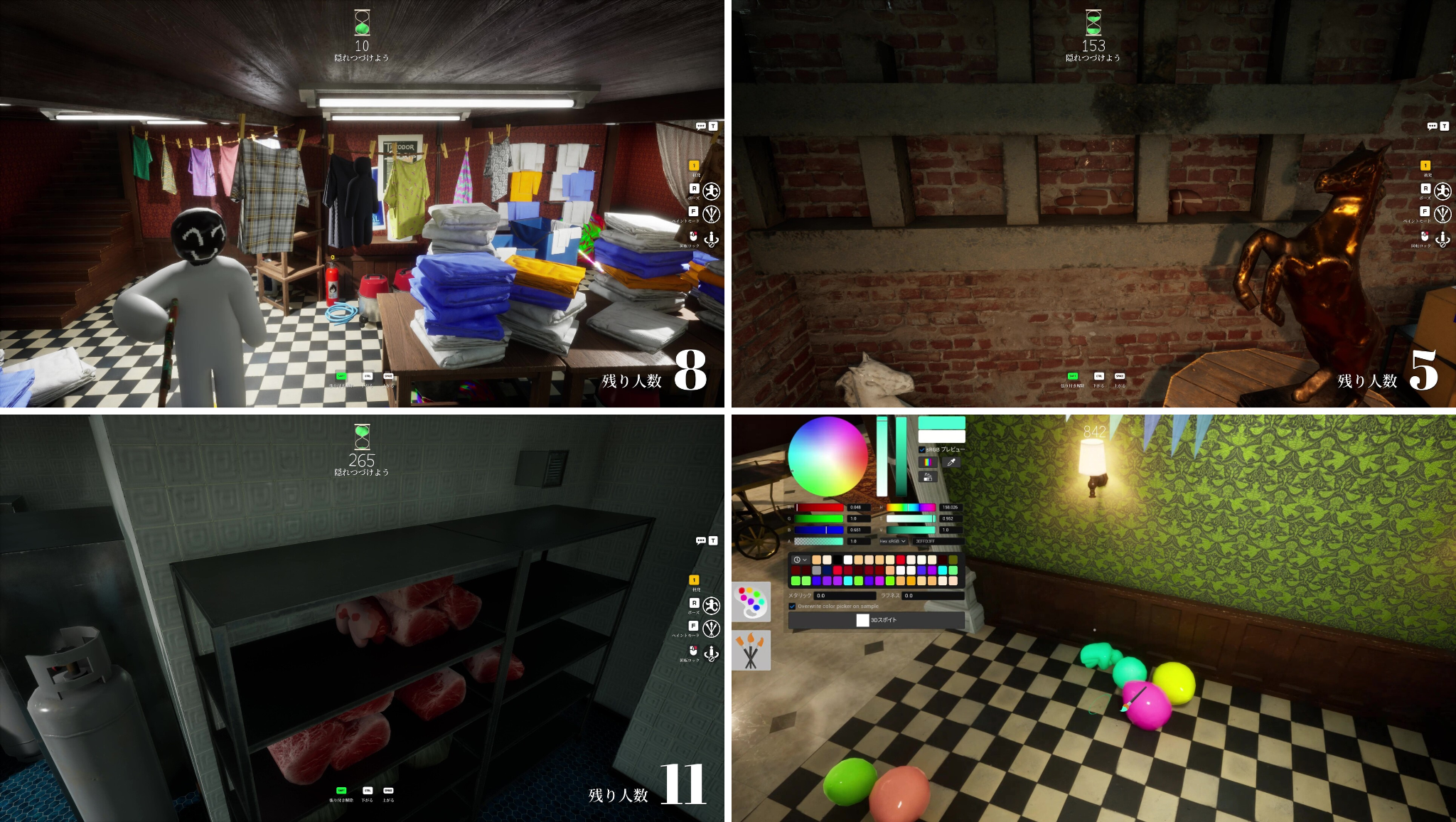
It is intuitive and simple. That becomes a powerful advantage in short-form content.
Viewers decide within 1 to 2 seconds whether to keep watching a video or skip it. If you can’t convey the context within that brief moment, your content won’t be consumed. Anyone should be able to immediately understand what’s going on and why it’s entertaining after watching just a single scene.
A representative example is 〈Among Us〉.
〈Among Us〉 also inspired countless gameplay videos and became a global hit. Because it built on the familiar rules of social deduction, even people who had never played the game could follow the situation within seconds: who the Impostor was, who was lying, and why the conflict was unfolding. In other words, the game already had what it needed to be enjoyed as "content" before viewers ever became players.
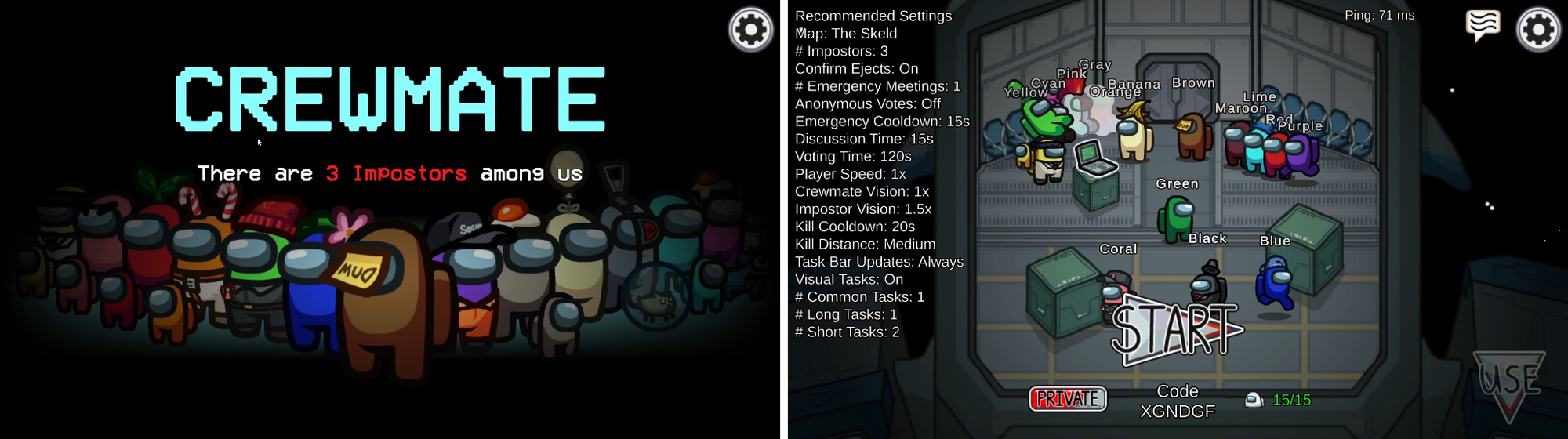
〈MECCHA CHAMELEON〉 works in much the same way.
Intuitive rules instead of complex systems. A simple visual setup that requires no lengthy explanation. Because a single scene is enough to understand what is happening, 〈MECCHA CHAMELEON〉 was naturally suited to being consumed as short-form content.
But intuitiveness alone does not fully explain the scale of its success. People continued watching even after they understood the setup. Why?
WEMADE VIEWPOINT

Hoseop Lee, Mir Project Team
Now, a game’s first impression may be shaped more by short-form content than by advertisements. When it comes to marketing, rather than just focusing on how widely we promote it,
we need to think together about how to create content that people will want to watch and share on their own.
What Makes Us Watch to the End
Source: YouTube @doit_series_official
Content that people watch to the end tends to share one trait. It makes viewers want to see whether the fun they already anticipate will pay off.
〈MECCHA CHAMELEON〉 has this structure built into its gameplay.
“There is no way they will find that.”
“You are really going to hide that openly?”
“You are not even hiding—you are relying on pure mechanics?”
Viewers can already predict the outcome to some extent. What keeps them watching is the desire to see whether that prediction is right—and how the expected laugh will ultimately land.
What is interesting is that this structure is not unique to games. POV videos, fail clips, and twist videos commonly seen on Reels hold attention in much the same way. Viewers stay not because the ending is entirely unknown, but because they want to see how the moment they are anticipating will play out.
That is what turned 〈MECCHA CHAMELEON〉 from something people simply played into something they repeatedly watched and shared. Behind its 15 million copies sold was not a large-scale advertising campaign, but the accumulation of countless short-form videos that people chose to consume and spread themselves.
WEMADE VIEWPOINT

Minhun Jang, Live Operations Team
MECCHA CHAMELEON offers meaningful lessons even from the perspective of operating an MMORPG. In the past, the priority was to tell audiences how impressive our game was. Today, the moments players create inside the game—and the stories they choose to share—are becoming a far more important source of competitiveness.
MMORPGs also need to give players moments they can naturally turn into content and share with others: the thrill of combat, cooperation and conflict between guilds, and unexpected situations that emerge during play. Ultimately, the force that turns a well-made game into one that remains loved for years may come less from one-way marketing than from the stories and content players continually create themselves.
Designing with the "Fun of Watching" in Mind
Not every game needs to be designed with short-form content in mind. But the way people consume games is clearly changing. Watching may come before playing. Sharing may matter more than experiencing something alone.
Going forward, making a good game may no longer be enough. We may also need to design experiences that people want to watch, share, and return to—not only experiences they want to play. As the ways games first reach people and are consumed continue to change, turning those experiences into content will become a question that more games must address.