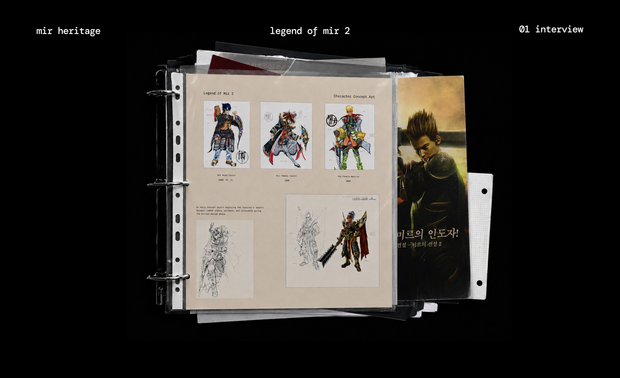
MIR HERITAGE is a series that traces the origins of what made WEMADE what it is today.
It revisits the passion, perseverance, and relentless drive behind the making of a single game through the voices of those who lived it. More than a look back at the past, the series explores how those early days continue to shape WEMADE today—and the spirit that still drives it forward.
Our first story begins in the year 2000, inside a small WEMADE studio where just 16 people set out to create what would become 《The Legend of Mir 2》
What Made MIR a Legend
How many people know that China’s most popular game actually originated from a game developed by a Korean studio? In China, the MMORPG genre we’re all familiar with is called “Chuanqi Games” (传奇游戏). The term “Chuanqi” itself comes from the Chinese title of "Legend of Mir 2", "Rexue Chuanqi"* (热血传奇). As this game gained explosive popularity, “Chuanqi” has come to be used as the name of a genre in its own right.
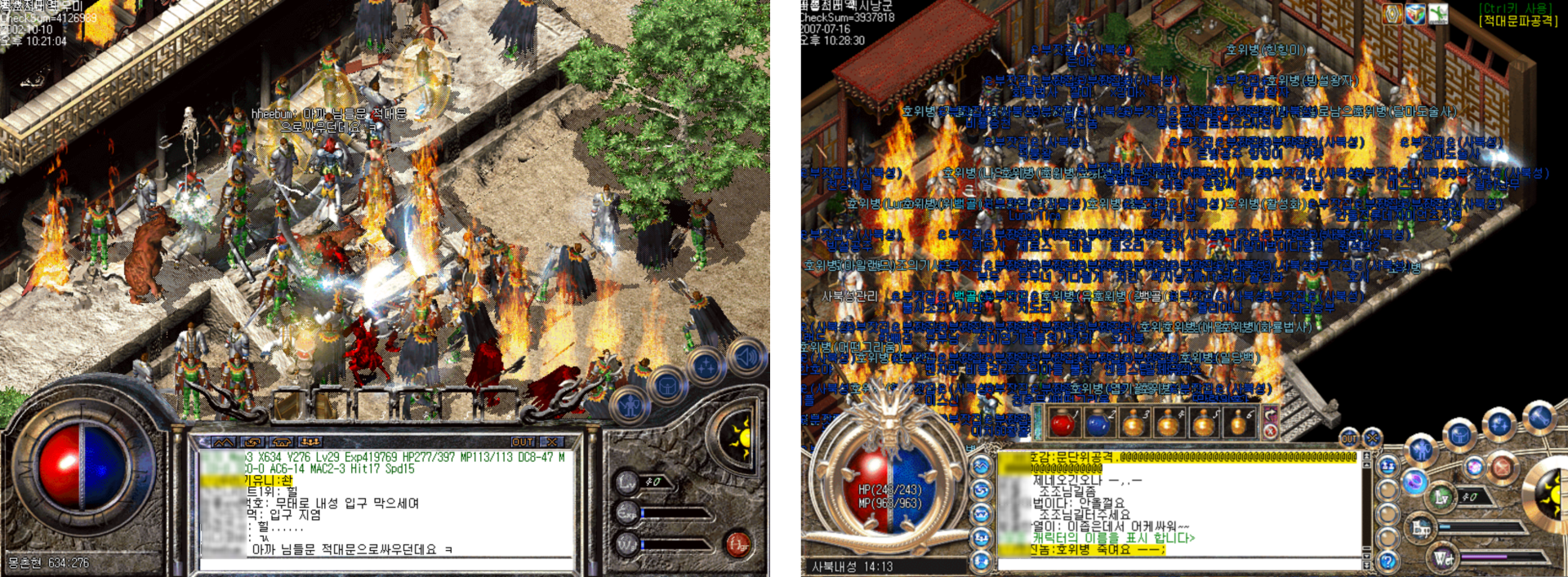
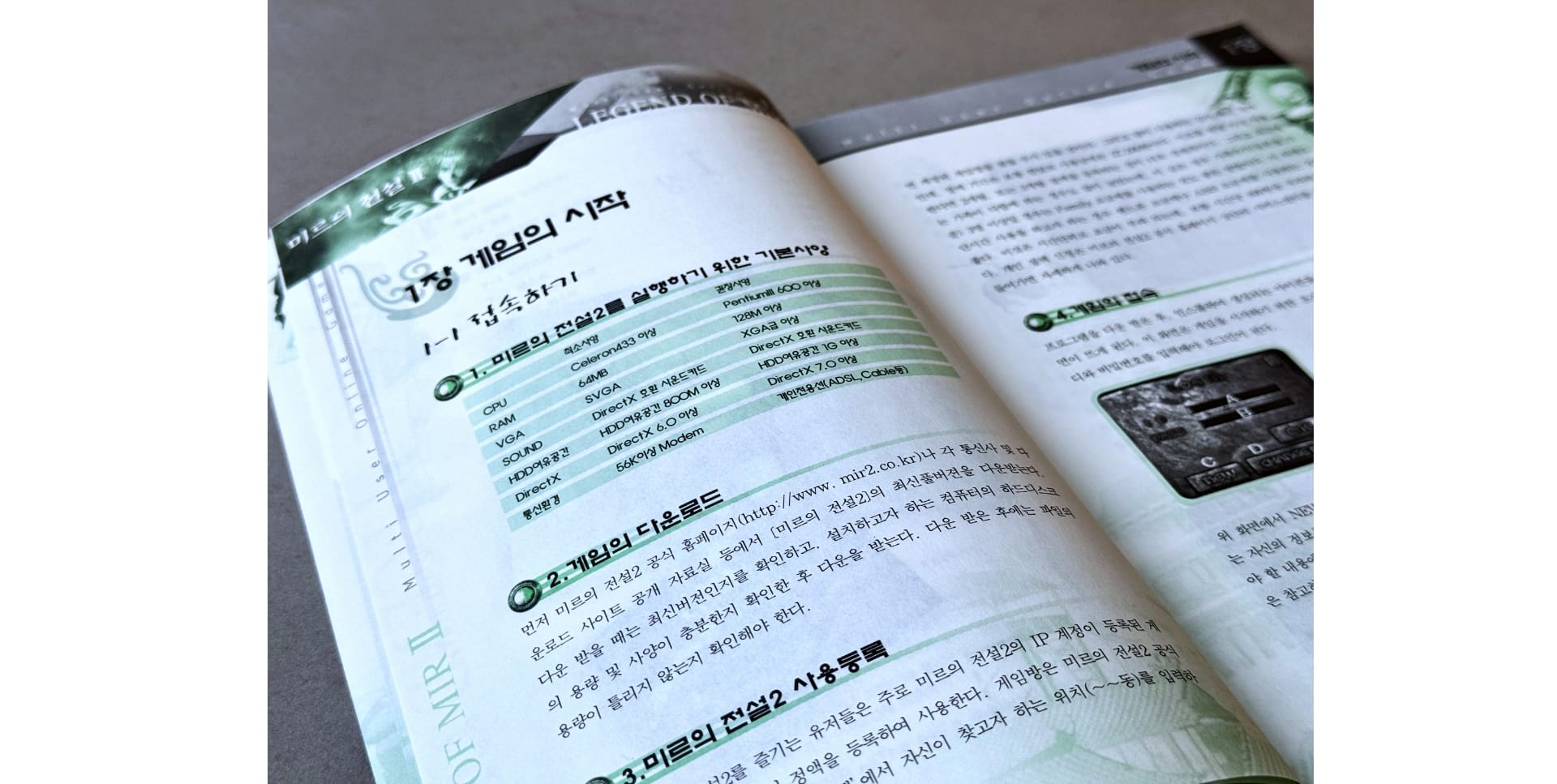
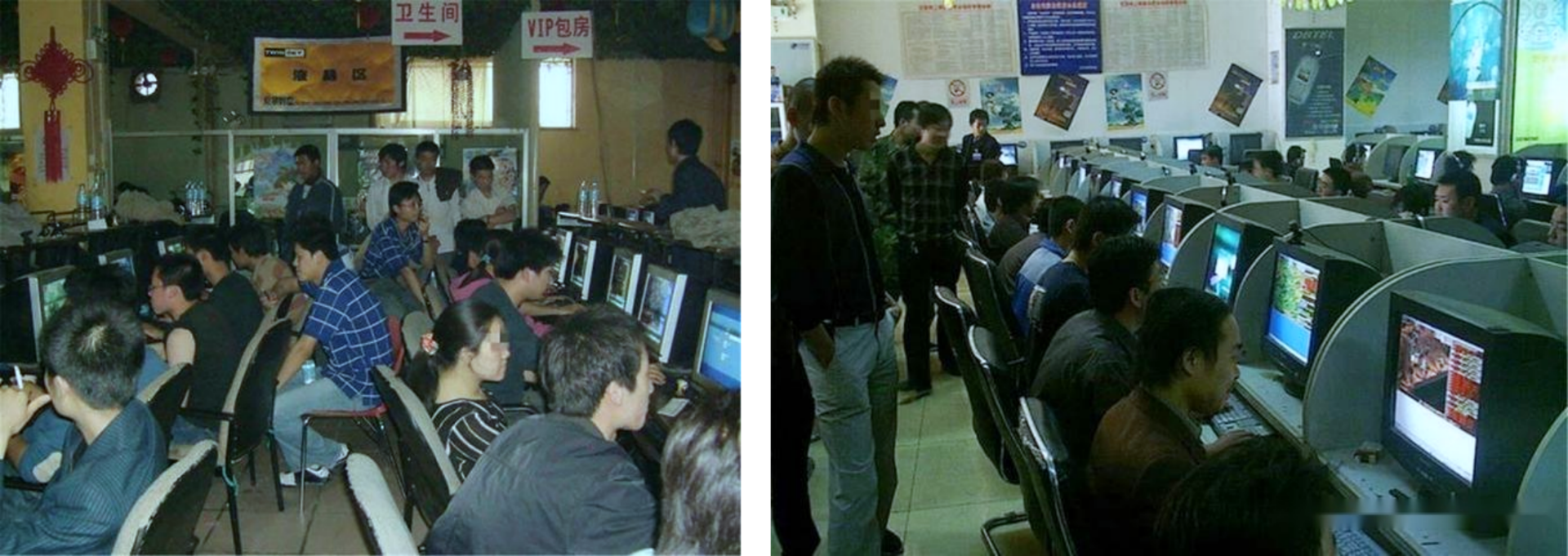
In the early 2000s, when the PC bang culture was rapidly spreading across China, it was harder to find a monitor in a PC bang that wasn’t running "Legend of Mir 2". People weren’t just hunting anymore. They engaged in player-versus-player (PvP) combat, had their gear stolen, and returned to seek revenge. They formed clans and banded together to capture castles. Many elements that have since become standard features in modern Chinese MMORPGs originated from "Legend of Mir 2" during that era.
Remarkably, the game that would go on to redefine China's MMORPG landscape began in a small Korean game studio with just 16 employees.

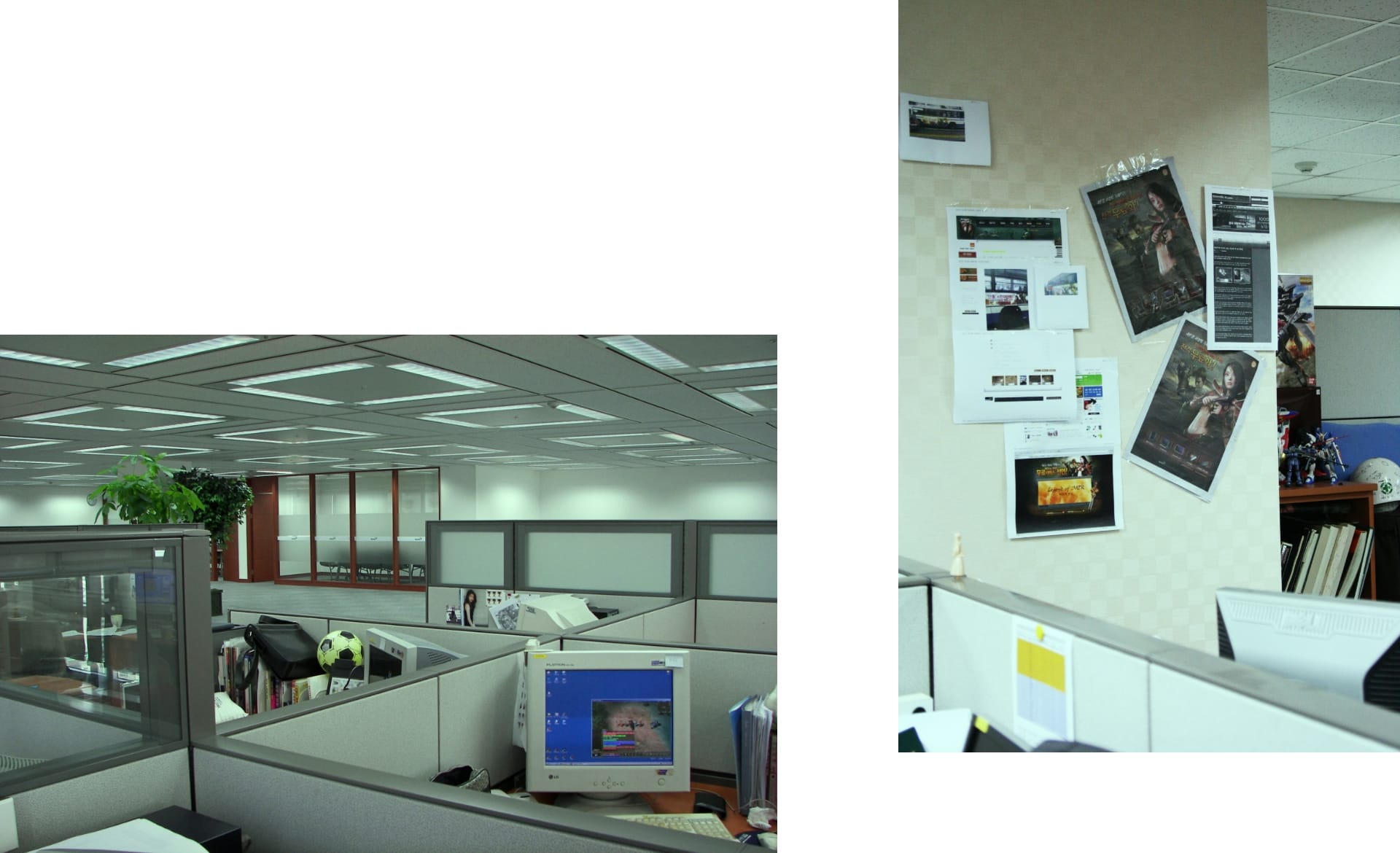

A Game Studio Where People Came to Work on Rollerblades


Kim Hye-jin was one of WEMADE's earliest team members. Joining the company in 2000, the year it was founded, she was among its first generation of graphic designers. The WEMADE she remembers looked very different from what most people would imagine as a company from that era.
There were only sixteen employees. Everyone knew what everyone else was working on. If someone was away from their desk, everyone noticed. The boundaries between development, planning, art, and business were far less defined than they are today. Some employees even skated around the office on rollerblades or skateboards, moving from desk to desk to exchange ideas and debate new concepts. It might sound like a typical tech startup in Pangyo today, but this was a small office in Bomun-dong, Seoul, back in 2000.
Back then, the word startup was hardly part of everyday vocabulary. Flat organizations and autonomous work cultures were not trends to aspire to—they simply weren't concepts people talked about. It was just a group of people making games, each contributing in their own way.
At the time, none of it felt extraordinary. They simply assumed this was how games were made. No one thought they were creating a legend—they were just getting ready for the next build.
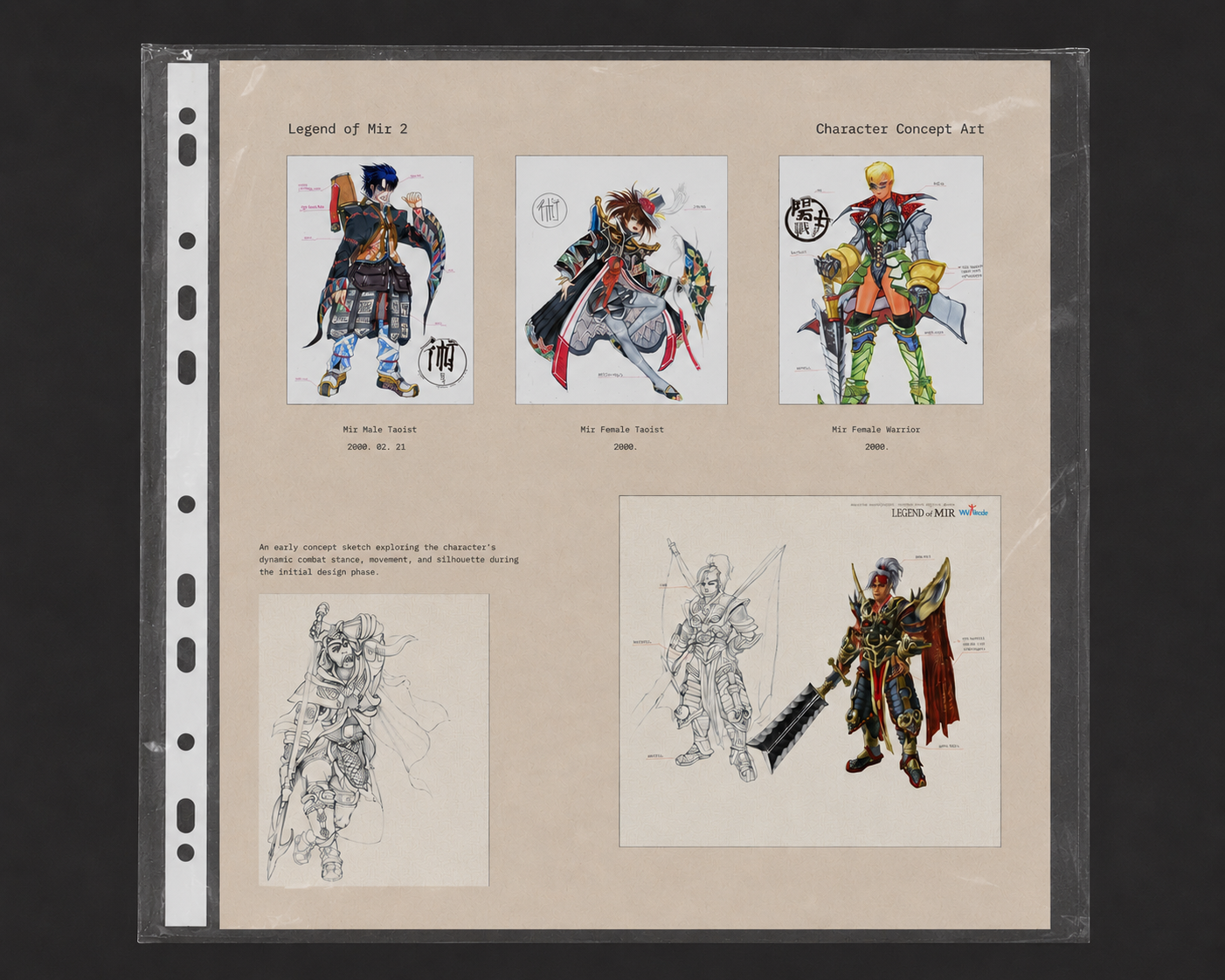

Crossing into China on a Single CD
"Legend of Mir 2" entered the Chinese market in 2001. Looking back now, it was perfect timing.
At the time, the PC bang culture was rapidly spreading in China. However, the internet wasn’t as fast or stable as it is today. It was a time when even downloading and installing a single game wasn’t easy. That’s why "Legend of Mir 2" was designed to be as lightweight as possible.
The entire game fit on a single CD. Installation was quick, and network requirements were minimal. Kim Hye-jin recalls, "Our goal was simple—we had to make it fit on a single CD."
That decision became one of the game's greatest strengths in China. Bringing a single CD into a PC bang was all it took to install the game and start playing. There was little explanation needed. Players could jump straight into the world of 《The Legend of Mir》
Added to this was the atmosphere of Eastern fantasy. At a time when the Chinese online gaming market was just beginning to take shape—a market that had previously been dominated by Western fantasy—"Legend of Mir 2" made a truly sensational debut. As familiar elements such as martial arts, legends, martial arts clans, and siege battles were layered onto the new experience of online gaming, Chinese players quickly became immersed in that world.
Just a year and a half after its launch, "Legend of Mir 2" captured 68% of the Chinese online gaming market.

"80% of PC bang users were playing the game."

Burgers at 6 PM. The dev lab at 3 AM.
6:00 p.m. The local developers head home, leaving hamburgers behind with a smile.
"Here—have something to eat while you work."
3:00 a.m. By then, the only people left in the studio are the Korean team on assignment.
For WEMADE's developers, spending days—and sometimes nights—at the office was nothing unusual. China, however, was different. When the workday ended, the local developers simply packed up and went home.
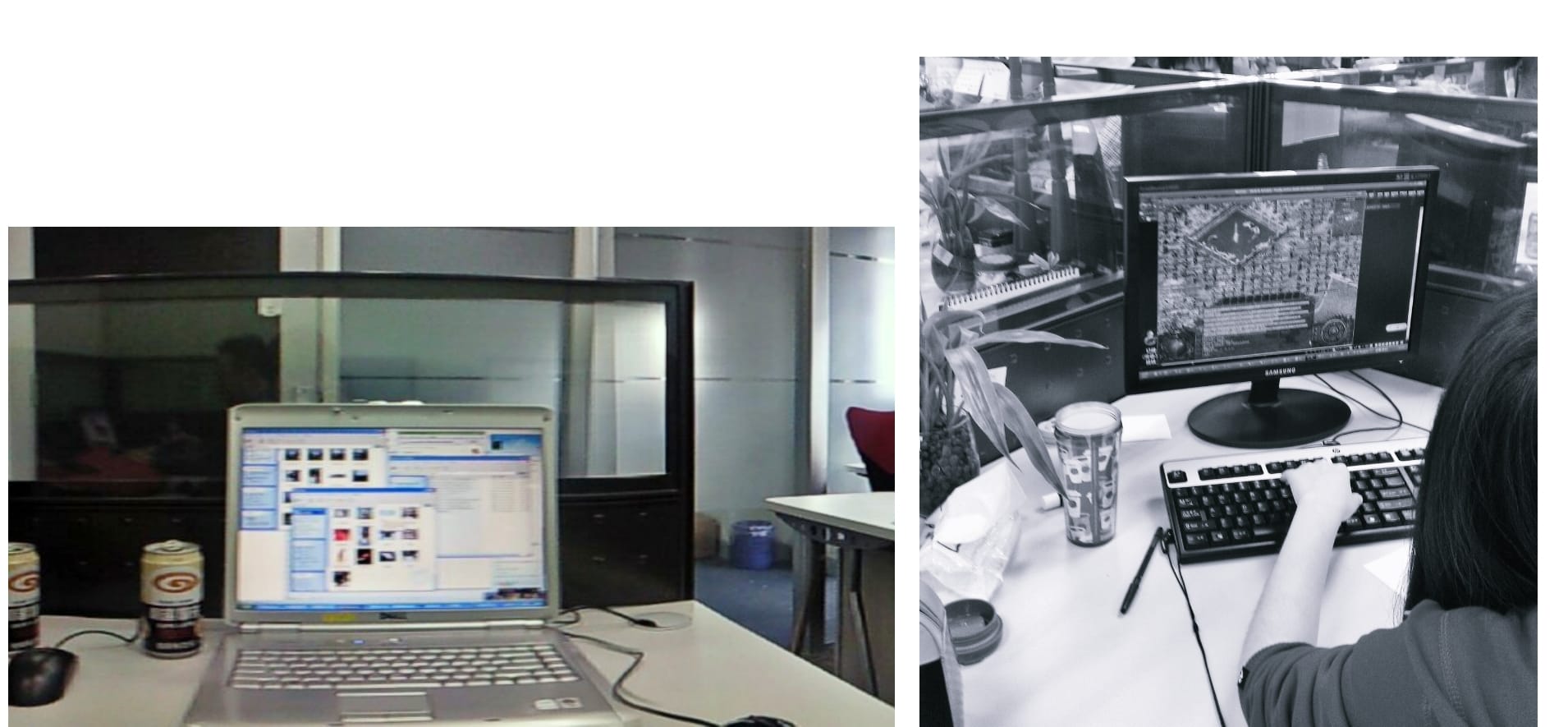

"We were the ones on a business trip, yet by nightfall, only the Koreans were still there."
Kim Hye-jin recalls those days with a smile. It was a time when everything was new—learning how to launch a game in China, and learning how to work alongside a very different team.
Interestingly, it didn't take long for the atmosphere to change. As China's game industry expanded and competition intensified, the development offices there also began to stay lit late into the night.

When Game Developers Went from PC Bang to PC Bang with CDs
Today, launching a game means running advertising campaigns, working with influencers, and engaging players through online communities. Back then, it was different.
The players were all in PC bangs. So the developers went there too—with stacks of CDs in hand.
The approach was much simpler. It was about people meeting people. The most effective way to reach players was to meet them in person. Developers visited PC bangs, introduced the game, and asked players if they would give it a try. But they didn't just hand out CDs and leave. They stayed to watch what people were playing, how they reacted to , and what they had to say about it.
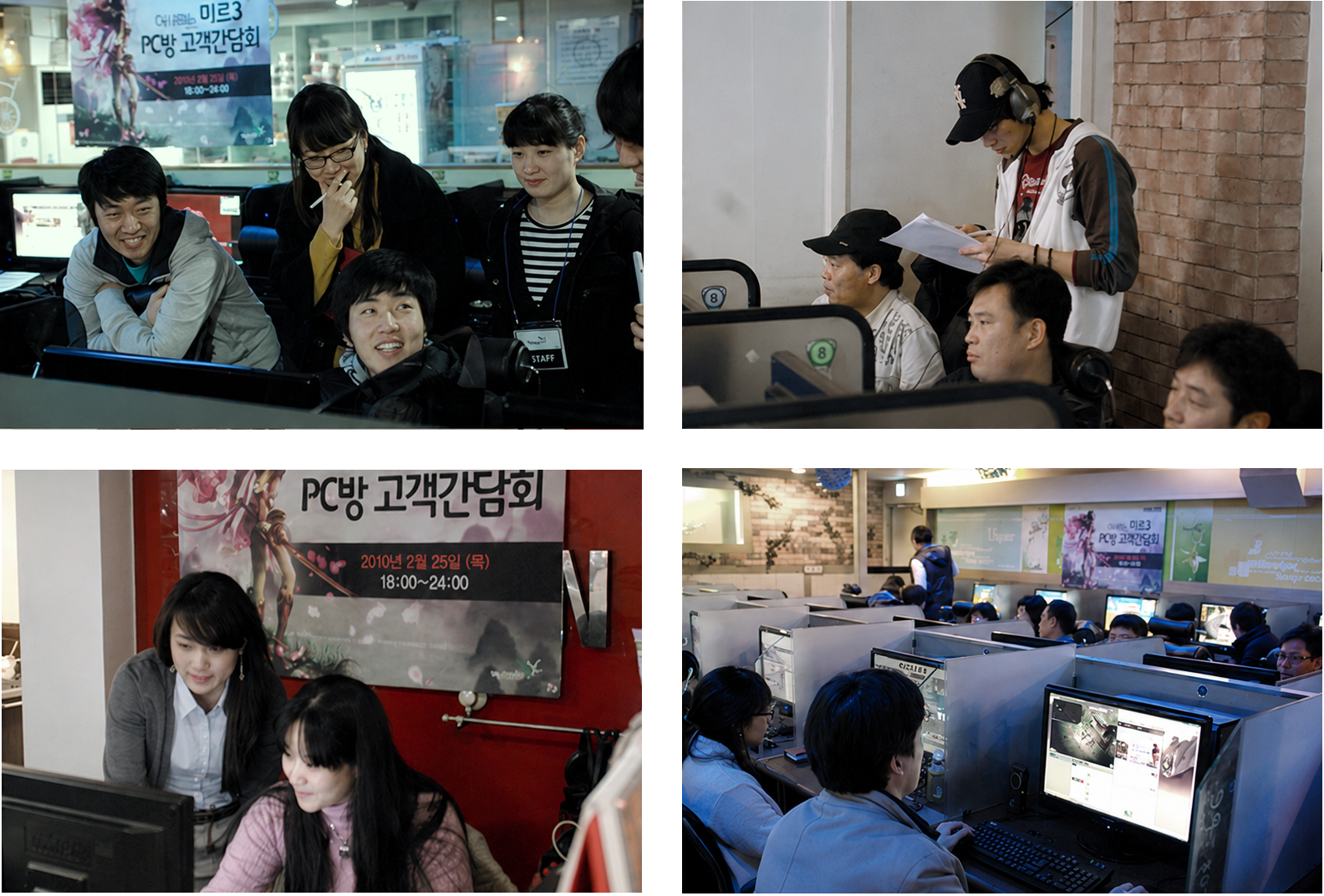

When people met face to face, relationships naturally grew. Today, game studios connect with players through community managers, online forums, and Discord. Back then, the community manager was the person sitting beside you in a PC bang, listening to your stories firsthand. Developers and players were closer than ever.

When Guild Leaders Bought Plane Tickets and PC Bangs Overflowed with Local Delicacies
"Manager Kim is here!"
A player rushed over, placed a headset on Kim Hye-jin, and called out as she arrived at a player gathering held in a PC bang.
It remains one of the memories she recalls most vividly from those days.
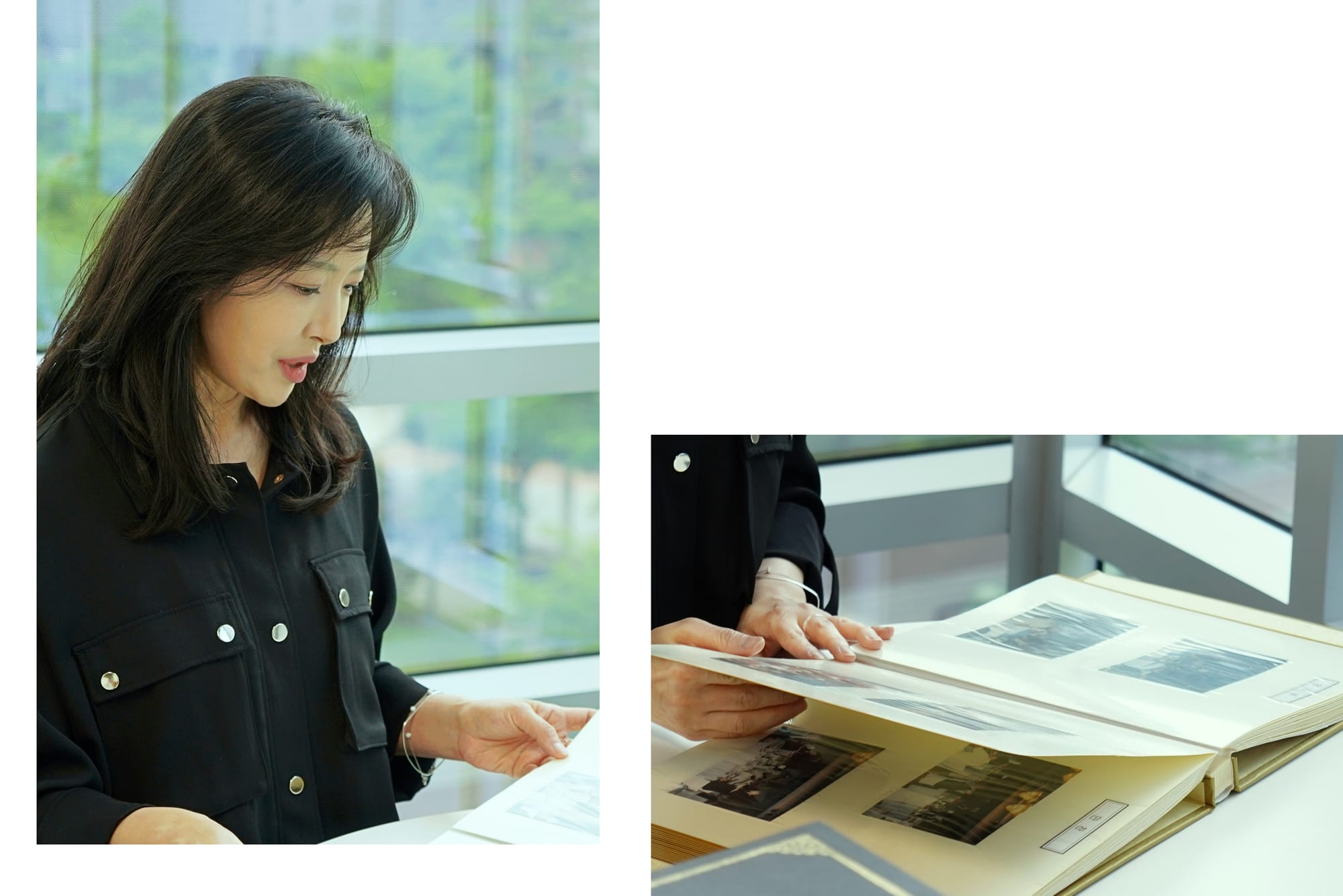
A lot changed as WEMADE grew from a small company of just sixteen people into a global game developer. But one thing remained the same, the players. The relationships built by visiting PC bangs with stacks of CDs didn't fade easily.
Wherever people gathered, stories followed. And before long, those stories extended beyond the game itself.

In China, clan leaders would sometimes buy and distribute airline tickets to their clan members. Ahead of large-scale siege battles, clan members from all over the country would gather in a single city, and some clans would even rent out an entire internet café to prepare their strategies for several days.
It's a scene that's hard to imagine today. MMORPGs demanded far more time than they do now. Players planned together, fought together, and grew together. The line between the game and real life was surprisingly thin. It wasn't uncommon for people who met in-game to eventually get married in real life. As those relationships became part of the community,《The Legend of Mir》later introduced its own in-game marriage system.
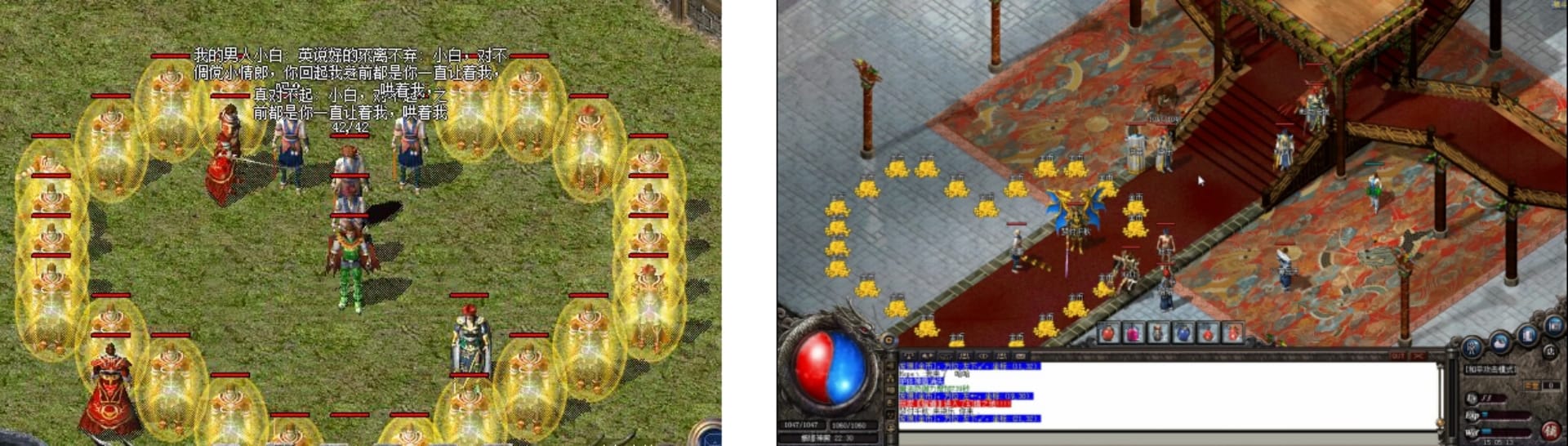

Whenever guild leader gatherings were held, players would bring regional specialties and local delicacies to share.
"Manager Kim, you have to try this."
"It's a specialty from our hometown—you can't leave without tasting it."
Even though WEMADE had already prepared food for the event, players would happily share the dishes they had brought with fellow guild members and the WEMADE team. It reflected not only their affection for 《The Legend of Mir》, but also the strong bonds they had built with one another.
Of course, the conversations weren't always filled with praise. Players openly shared their suggestions, frustrations, and hopes for the game. Their passion for 《The Legend of Mir》 meant they always had something they wanted to say. Listening to those voices—and sometimes explaining, sometimes persuading—became an important part of Kim's role.
Looking back now, Director Kim Hye-jin recalls that those encounters and conversations were the driving force that transformed "Legend of Mir" from a mere game into a community.


Places where people spend their time leave lasting memories.
For many Chinese players who remember those days, 《Rexue Chuanqi》 is remembered not simply as a game, but as a part of their youth.

"《Rexue Chuanqi》 is a defining memory for those who grew up in the 1970s and 1980s. Students would buy steamed buns from the school shop and spend entire nights playing in PC bangs. They traveled from city to city to trade items in person. Whenever the Sabuk Castle Siege began, guild members gathered from across the country, and some even rented out entire PC bangs to prepare for battle."


So what did Mir leave behind?
Looking back, what "The Legend of Mir 2" left behind for Wemade was more than just the success of a single game.
The attitude of being the first to enter a market where no one was certain of success, learning by facing unfamiliar challenges head-on, and going directly to where the users were. This is not only the legacy left by "The Legend of Mir", but also a standard that today’s Wemade must revisit.
This is why we are looking back now on the story of that small production studio that started with just 16 employees. It is not to reminisce about past successes, but to reexamine the decisions that led to those successes.

Finally, Director Kim Hye-jin addressed Mir users, saying

This year marks the 25th anniversary of "Legend of Mir 2" and the 24th anniversary of "Legend of Mir 3". I believe it’s by no means a given that a single game continues to be loved for over 20 years and still has such a large player base.
For some, "Legend of Mir" is a memory of their school days, while for others, it represents the memories of their youth. For me, too, "Legend of Mir" is a special title that has accompanied my journey and growth as a developer. I consider it a great privilege to witness how "Mir", which began in a small studio, has continued to this day.
To ensure the game remains beloved long after its 30th and 40th anniversaries, our development team is doing its utmost to create new content even as we speak. We sincerely thank all the players who have been with Mir for so long, and we promise to remain by your side just as we always have.