"Send me some shoes."
Do you remember opening KakaoTalk and exchanging "shoes" with your friends?
A game I played whenever I had a spare moment—on my commute to and from work, on my way to and from school, and even during those brief moments waiting for the bus. This is the story of 〈Wind Runner〉.
It surpassed 10 million downloads just 12 days after its release, setting the record at the time for the fastest-ever 10 million downloads in Korean mobile gaming history. It ranked No. 1 in revenue on Google Play for 43 consecutive days, and its global cumulative downloads reached 60 million.
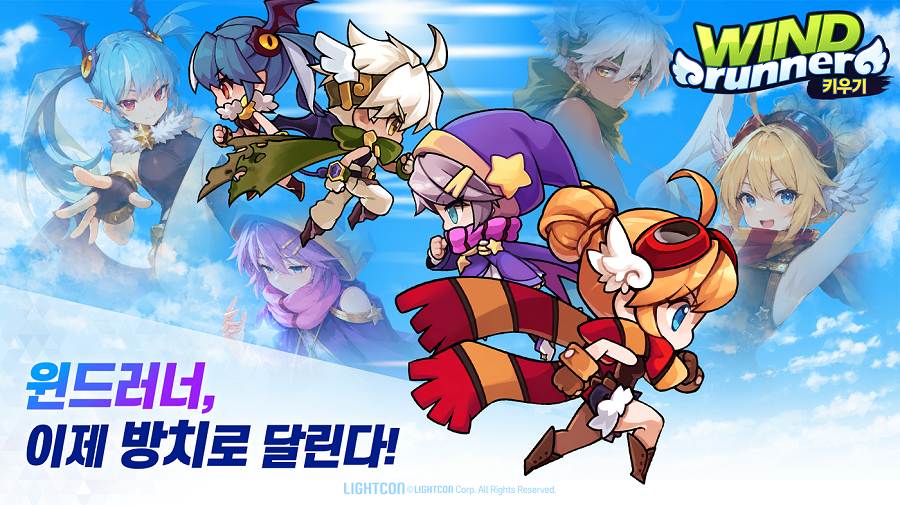
Release Date: July 2026 | Developer: Lightcon | Publisher: Lightcon | Official Website: Click here
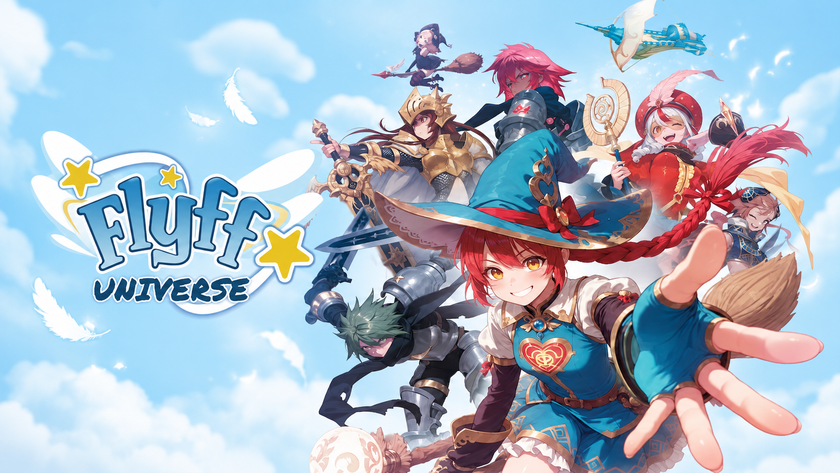
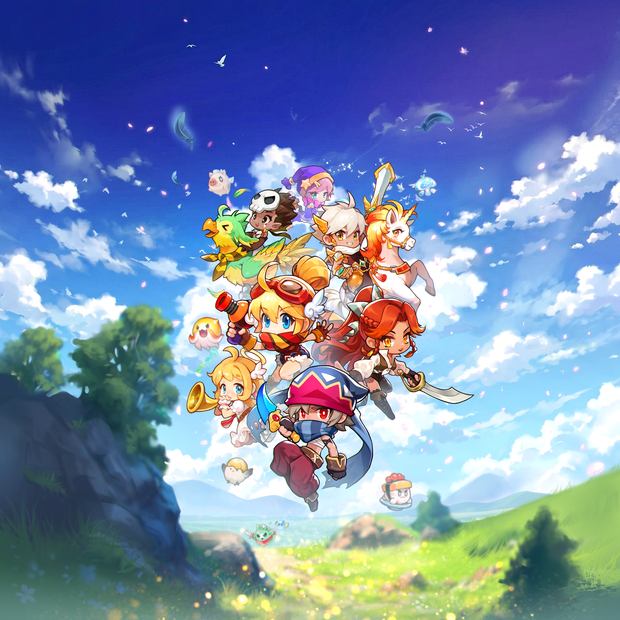
This game, which made a significant mark in the history of South Korean mobile gaming, has returned as 〈Gale Knights Idle RPG〉. It’s a new title that reimagines the original 〈Wind Runner〉 IP as an idle RPG.
It officially launched in South Korea and Taiwan on July 21, 2026, and within four days, it reached No. 1 on the Google Play and Apple App Store popularity charts in South Korea.
This time, it’s not a running action game where you compete for high scores by overcoming obstacles yourself, but rather an idle RPG where you level up your characters. We took a look at how the fun that got so many people running 13 years ago has evolved in this new genre.
When Your Friend List Became Your Leaderboard
〈Wind Runner〉Early 2013, when the game was released, was a time when KakaoTalk was beginning to establish itself as a gaming platform. Without the need to create separate communities, a user’s friend list in the messaging app became their in-game friends and competitors.
To keep playing, you needed “shoes,” and phrases like “Send me some shoes” were commonly exchanged. The process of sending and receiving shoes served as a way to bring friends back into the game, and the leaderboard turned those relationships into competition.
Your KakaoTalk friends list was essentially a leaderboard. When a friend broke a record, you’d jump back into the game, and every new score on the leaderboard became your goal for the next round.
The Rhythm That Made Players Run One More Time
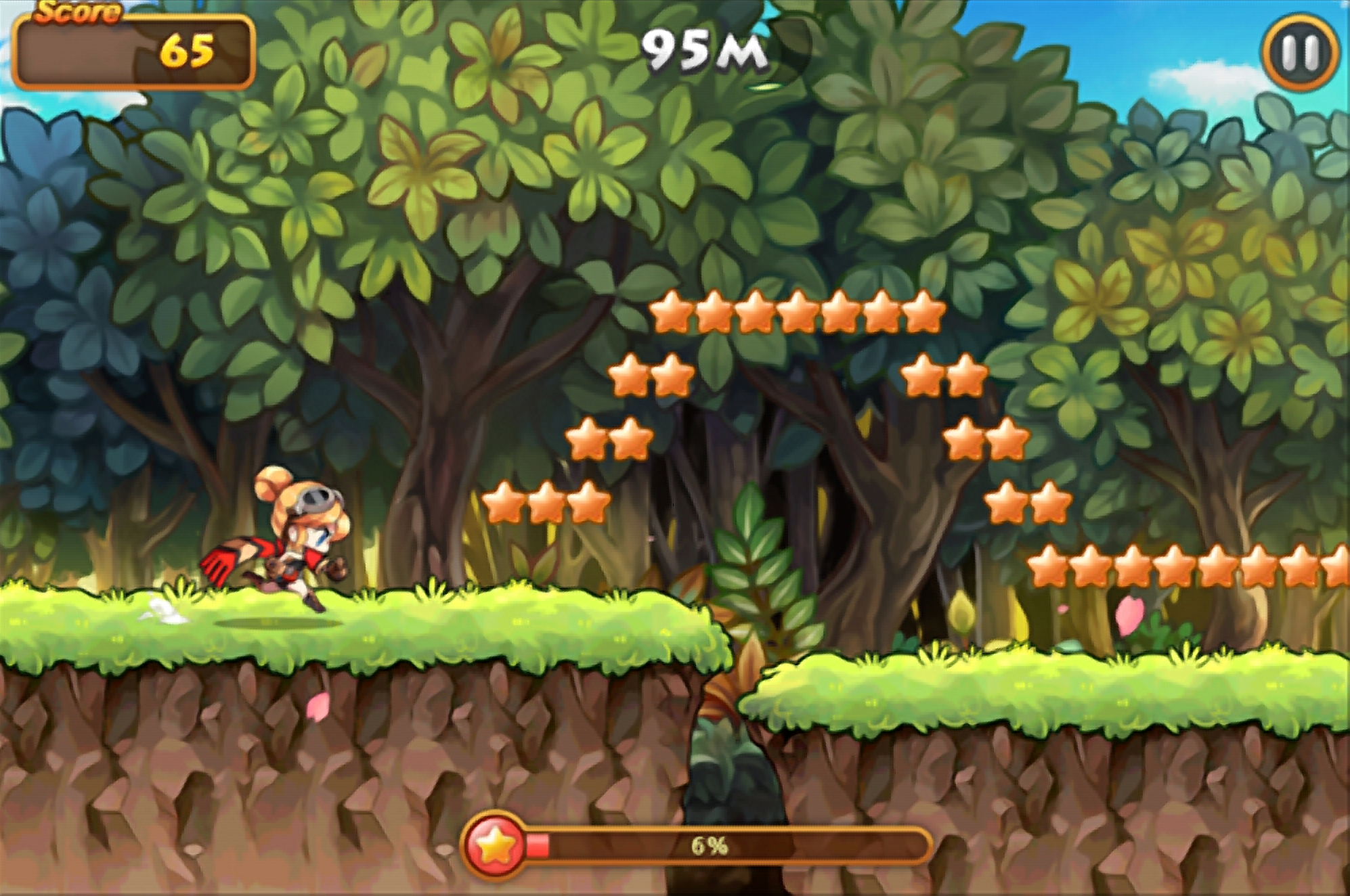
〈Wind Runner〉, a game where you race through forests and sandy deserts while dodging obstacles and collecting stars, was one you could jump right into without needing a long explanation. The controls were simple: just a single tap was all it took. Tap once to jump, and tap again to jump higher.
However, the reason people kept playing cannot be explained by the gameplay mechanics alone. What 〈Wind Runner〉 did well was to always leave players feeling just a little bit disappointed after a failure.
If your jump was half a beat too late, or if you crashed into an obstacle while trying to collect one more star, the first thought that came to mind was, “If only I’d jumped a little faster, I could have made it.” This near-miss feeling created the expectation that you could do better on the next run.
Each run was short, and it didn’t take long to start over. I’d immediately start running again to make up for my recent failure, and my friend’s high score gave me another reason to try. So, the round I thought would be my last rarely turned out to be the last one.
〈Wind Runner〉It must have been this rhythm that kept me turning it on every day—a cycle of starting out easily, failing just short of success, and then trying again with the hope that this time I’d make it. This pattern soon proved just as effective in Japan as well.
From KakaoTalk to LINE, “One More Round” Still Worked
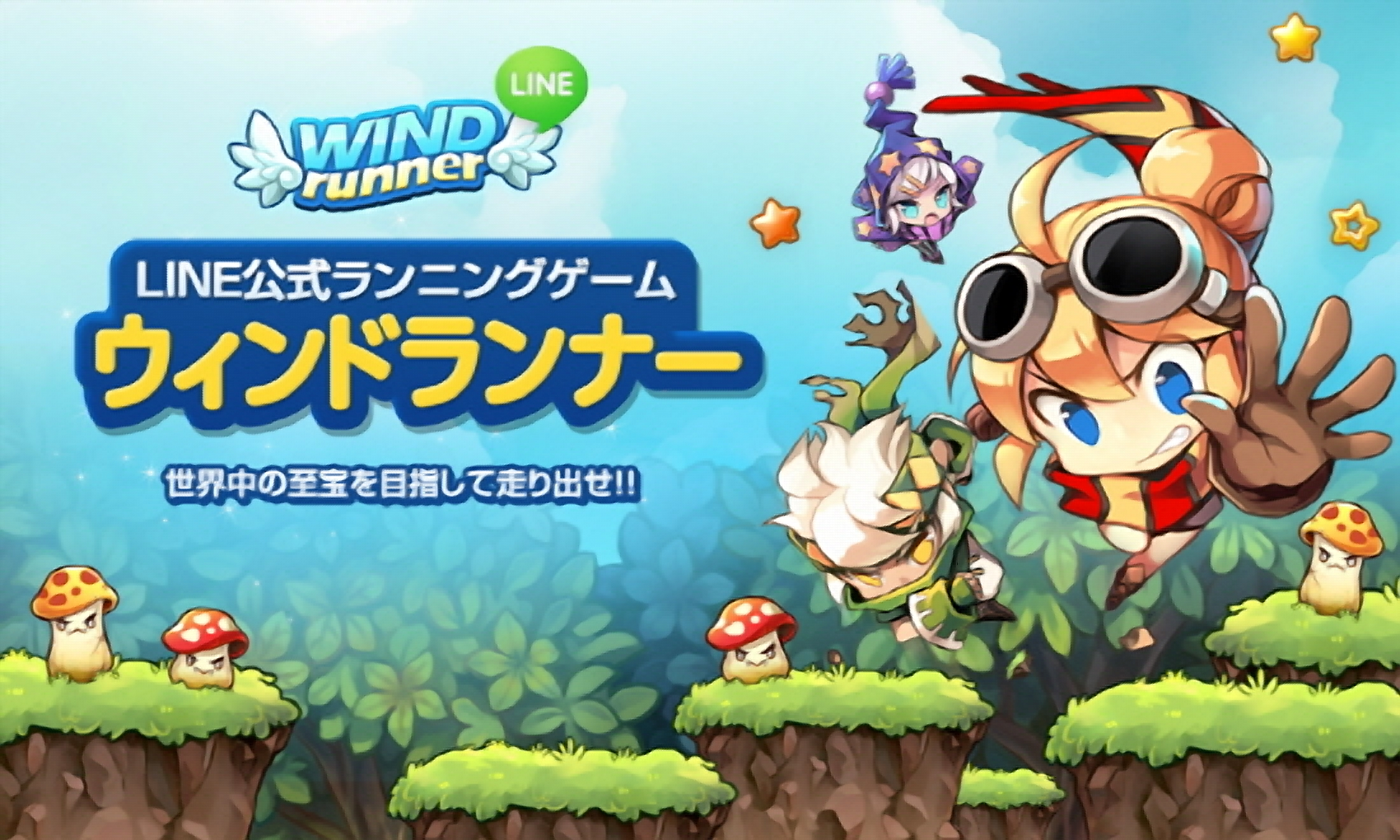
〈Wind Runner〉Less than a month after its launch, it began offering its services in Japan through the messaging platform “LINE.”
Although the language and platform were different, the approach of connecting friends as in-game rivals remained the same. Just as KakaoTalk friend lists effectively served as leaderboards in South Korea, LINE friends filled that role in Japan.
The simple controls, which can be understood with just a touch, also helped break down language barriers. Players could start playing right away without needing a lengthy explanation of the game's rules.
This success continued. " 〈Wind Runner〉" became the first third-party title—one that does not feature LINE’s own characters—to surpass 10 million downloads, and just over two months after its launch, its revenue in Japan exceeded that in South Korea.
So, 13 years later, how has the "one more round" experience—which the original game created—changed in idle RPGs?
Running remained the same, but growth increased
〈Gale Knights Idle RPG〉At its core, this is an idle RPG where you level up your characters and engage in battles. Familiar characters like Chloe, Leo, and Stella make a return, and you can boost your combat power by combining summoned creatures and mounts. Unlike the original game, where players competed for high scores based on split-second decisions, in this new installment, accumulated progress drives the gameplay forward.
That doesn’t mean the running gameplay from the original game has completely disappeared, though. In the standalone content *Wind Runner: Chloe’s Adventure*, you can control Chloe directly to run through the map and set high scores. If you reach 10,000 points each day, you’ll receive rewards, and you can compete with other players for rankings. The developers have preserved the running and high-score competition—the elements most familiar to fans of the original—right within this new title.
In the main gameplay, a different kind of repetition unfolds. While the game is closed, rewards necessary for progression—such as gold and experience stones—accumulate, and when you log back in, you can use them to boost your strength. The process of breaking through previously blocked sections and discovering new progression goals becomes the reason to open the game again. If the original game’s “one more round” stemmed from the frustration of a recent setback, the new game’s “one more step” begins with the results of that accumulated progress.
The original game’s Fever system has also been adapted to fit the idle combat style. As you continue battling and build up combos, the Fever gauge fills, gradually increasing your movement and attack speeds. When the gauge is fully charged, a Fever Burst is triggered. While the method differs from the original game—where you had to time your jumps manually—the experience of intense speed and exhilaration packed into a brief moment is reminiscent of the original’s Fever Time.
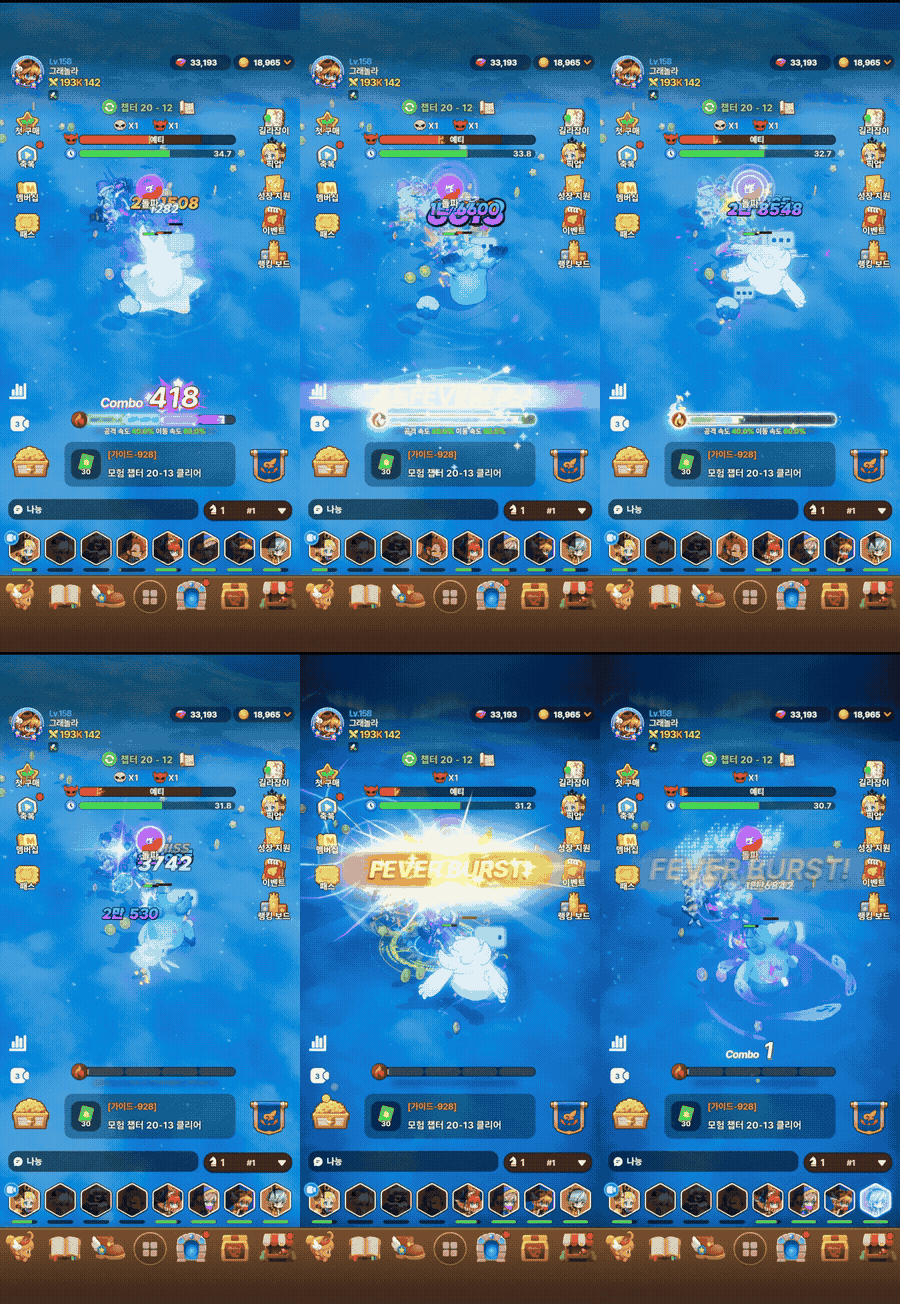
〈Gale Knights Idle RPG〉It did not completely replace the original game’s running mechanics with character progression. The familiar running action was retained as separate content, while a new loop centered on character development was added to the core of the game. Rather than restoring the original elements exactly as they were, they were rearranged in different ways.
What Endures Longer Than the Genre
Remaking a long-loved IP isn’t simply about reviving its past form. It’s about identifying what people loved and which moments they remember most, then redesigning the experience for today’s playstyle.
Even if the game’s genre and controls change, the experiences that made the IP memorable don’t disappear entirely. What remains are the moments when players booted up the game again, the goals they set for themselves, and the expectations that drove them to take on the challenge once more.
Thirteen years ago, I got a pair of shoes from a friend and started running again. Now, I’m taking stock of my progress to tackle the next stage, and I’m jumping back into the race for records alongside Chloe. While the gameplay has evolved in many ways, the drive that makes you want to launch the game once more to reach your next goal lives on in 〈Gale Knights Idle RPG〉.